10 — The 44-Year Journey to the University of Ilesa: How Asiwaju Olayinka Fasuyi Helped Advance a Historic Aspiration
From decades of advocacy to a structured community campaign, the story of how Ijesaland’s long-standing university dream moved towards reality
For 44 years, the aspiration to establish a university in Ilesa remained one of the enduring development goals of Ijesaland. Generations of community leaders, professionals, associations and concerned citizens advocated for the transformation of the existing tertiary institution into a full-fledged university. Yet, despite repeated engagements with successive administrations, the dream remained unrealised.
The eventual establishment of the University of Ilesa marked an important chapter in the educational history of Ijesaland. It represented not only an expansion of higher education but also the culmination of sustained advocacy, community commitment, technical planning and government action.
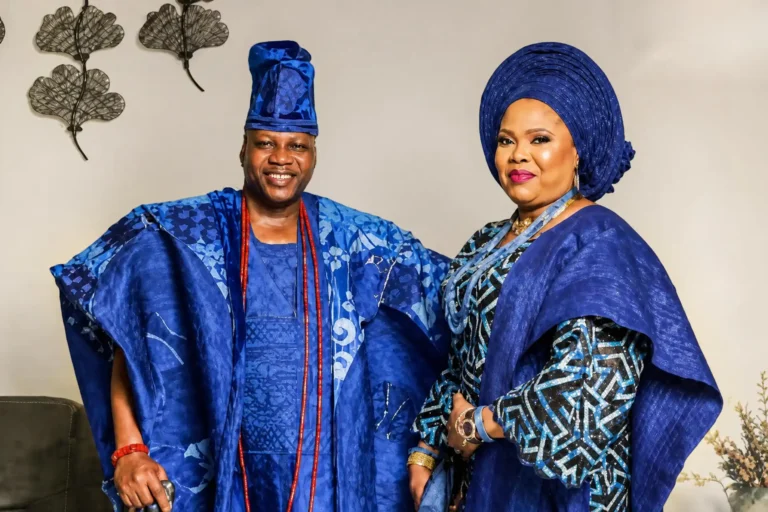
Among the figures who played a significant role in advancing the renewed campaign was Asiwaju Olayinka Fasuyi, Asiwaju of Ijesaland. His contribution included engaging the Osun State Government, initiating the University Project Consultative Committee (UPCC), mobilising stakeholders and helping to organise the community’s proposal into a structured programme of action.
The university’s emergence was a collective achievement. Understanding the journey requires recognising both the longstanding efforts of Ijesa people and the specific initiatives that helped move the aspiration towards implementation.
A Dream Rooted in Ijesaland’s Educational Heritage
The journey began long before the University of Ilesa became a reality.
In March 1978, the administration of Colonel David Jemibewon established the Osun State College of Education, Ilesa. The institution provided an important educational foundation in the ancient city and helped sustain the aspiration for a more expansive centre of higher learning.
Over the following decades, individuals, associations, community organisations and other stakeholders continued to advocate for a university in Ilesaland. The aspiration was rooted in the belief that Ilesa’s educational heritage, human resources and developmental contributions justified the establishment of a university in the region.
For the community, a university promised more than an additional institution. It offered the prospect of expanding access to higher education, enabling more young people to study closer to home and creating opportunities for research, innovation, employment and economic activity.
Yet, repeated advocacy did not immediately produce the desired result. Successive administrations considered the proposal, but the transformation of the College of Education into a university remained unrealised.
Financial constraints were among the concerns raised by the State Government. Even the community’s willingness to contribute towards the proposed university did not initially secure approval.
The experience demonstrated that a longstanding aspiration, however widely supported, requires a credible proposal, effective coordination, technical preparation and a practical approach to implementation.
April 10, 2019: Renewing the Engagement with Government
A significant milestone in the renewed campaign occurred on April 10, 2019, when Asiwaju Olayinka Fasuyi met the then Governor of Osun State, Mr Adegboyega Oyetola.
During the engagement, Fasuyi advocated upgrading the Osun State College of Education, Ilesa, into a university.
According to the published account, the Governor requested a formal proposal for consideration. The engagement therefore created an opportunity to move the discussion from general advocacy towards a defined proposal that could be assessed by the State Government.
However, the financial challenges surrounding the project remained. The task was to develop a convincing case for the university, demonstrate the community’s willingness to participate and establish a structure capable of coordinating the technical and administrative work required.
This was an important transition in the campaign. The objective was no longer simply to repeat the demand for a university, but to organise the necessary expertise, stakeholder support and financial commitments around a practical pathway.
April 18, 2021: Establishing the University Project Consultative Committee
Recognising the need for a coordinated approach, Fasuyi conceived, initiated and established the University Project Consultative Committee on April 18, 2021.
The UPCC was designed to provide an organised platform through which the university proposal could be developed, discussed with stakeholders and presented to government.
Its establishment represented a significant organisational intervention in the renewed campaign. Rather than leaving the aspiration dependent on separate appeals and uncoordinated efforts, the committee brought together people with professional knowledge, community influence and relevant institutional experience.
Chief Akin Akinola, the Sawe of Ilesa, was appointed Chairman. Fasuyi served as First Vice Chairman, while Professor Isaac Folorunso Adewole became Second Vice Chairman. Engineer Yemi Oguntominiyi served as General Secretary.
Other members included professionals, legal practitioners, academics, community leaders and individuals with experience in public affairs and administration. The committee subsequently expanded to incorporate additional Ijesa personalities and expertise.
This composition reflected the scale of the task. Establishing a university required more than political advocacy. It demanded an understanding of academic planning, institutional governance, legal frameworks, infrastructure, financial requirements and the practical processes involved in transforming an existing institution.
The UPCC provided a framework for coordinating these different areas while maintaining the university aspiration as a shared community objective.
Fasuyi’s role in initiating the committee deserves recognition within this history. At the same time, the committee’s work depended on the contributions of its members and the wider Ijesa community.
Building Community Ownership
The proposed university was an Ijesaland-wide aspiration, and its advancement required broad participation.
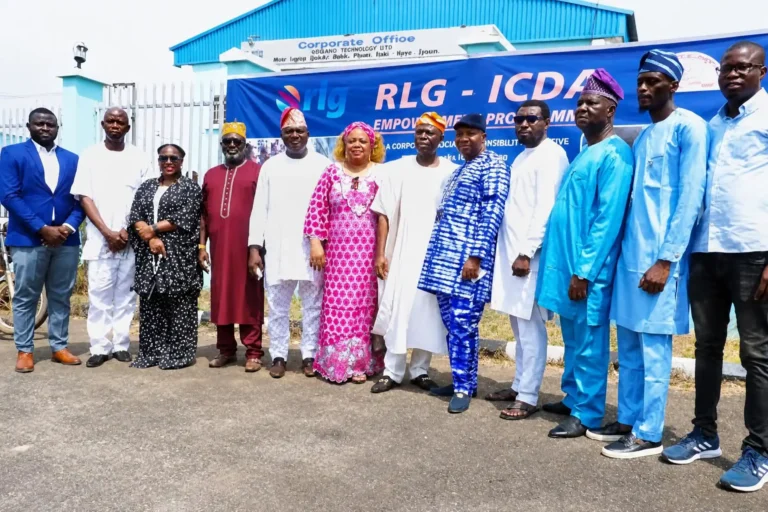
Following the constitution of the UPCC, consultations intensified across the community. The committee engaged traditional rulers, Ijesa elders, leaders of Pan-Ijesa societies and clubs, professionals and other prominent stakeholders.
An important milestone occurred on June 26, 2021, when an all-stakeholders meeting was held in Ilesa to consider and endorse the proposal.
The meeting helped demonstrate that the demand for the university was not limited to one individual or organisation. It was supported by a wider community that had waited for decades to see the aspiration realised.
Such engagement was important for two reasons. First, it helped build consensus around the proposed transformation of the College of Education. Second, it strengthened the case that Ijesaland was prepared to contribute towards the project rather than rely entirely on government financing.
Community ownership was therefore expressed through consultation, participation and a willingness to commit resources towards a shared educational objective.
August 6, 2021: Presenting the Proposal to the State Government
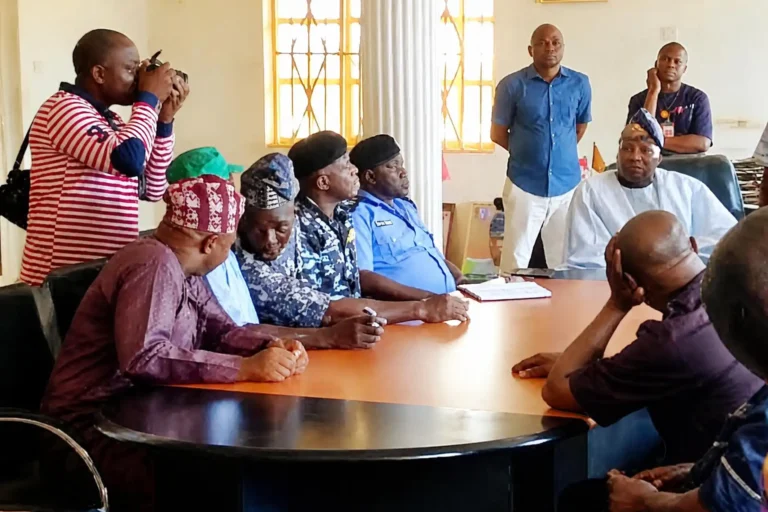
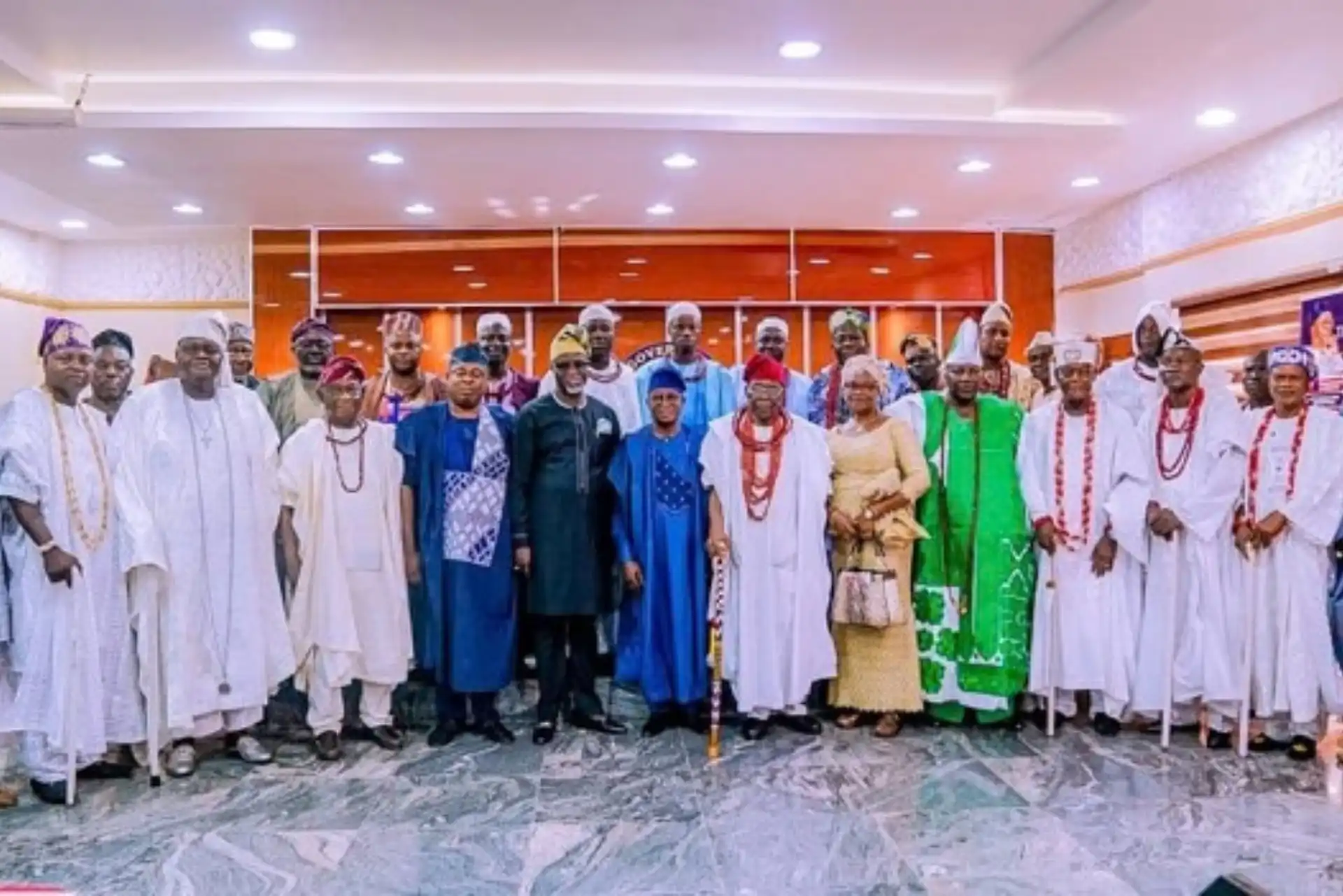
The renewed campaign reached another significant milestone on Friday, August 6, 2021, when the UPCC and other Ijesa stakeholders met Governor Oyetola and members of his cabinet at the Governor’s Office in Osogbo.
The delegation included members of the UPCC, leaders of Pan-Ijesa societies and clubs, and Ijesa elders.
At the meeting, a formal feasibility proposal for the University of Ilesa was presented and submitted to the State Government.
The proposal outlined the case for transforming the existing College of Education into a university and included a commitment by Ijesaland to contribute ₦500 million towards the institution’s take-off.
This financial commitment was important in the context of earlier concerns about the cost of establishing a university. It demonstrated the community’s readiness to participate materially in the proposed transformation.
The presentation also represented the outcome of months of engagement, consultation and preparation. A long-standing demand had been organised into a formal proposal supported by a consultative structure and a stated community funding commitment.
The process did not eliminate the need for government decisions and institutional procedures. Rather, it provided a more coordinated basis for advancing the proposal through those processes.
Technical Planning and the Community Funding Commitment
Following the presentation to the State Government, the UPCC established four technical subcommittees on August 19, 2021.
Each subcommittee was assigned a specific area of responsibility:
- University Law: Led by Mr Babatunde Aiku, SAN, to address the legal framework required for the proposed institution.
- Master Plan: Led by Professor Babatunde Agbola, to address planning and development requirements.
- Academic Brief: Led by Professor Rotimi Tayo, to develop the academic direction and requirements of the proposed university.
- Finance: Led by Chief Akin Akinola, with responsibility for financial planning and mobilisation of the community’s pledged contribution.
The creation of these subcommittees helped divide a complex project into defined areas of work. It also brought specialist knowledge into the planning process and reinforced the importance of preparation before implementation.
The original community fundraising target of ₦500 million was subsequently increased to ₦1 billion, reflecting the scale of the ambition and the proposed contribution towards the institution’s take-off.
These commitments formed part of the wider effort to demonstrate that Ijesaland could support a major educational project through organised participation.
The effectiveness of such commitments ultimately depends on implementation, transparent management and the delivery of agreed objectives. Nevertheless, the willingness to mobilise substantial resources was an important part of the case advanced by the community.

Community Projects and the Question of Financial Capacity
The university campaign unfolded against the background of other major community-funded projects in Ijesaland.
The reconstruction of the Owa Obokun Palace and the development of the Ijesaland Geriatric Centre demonstrated the capacity of Ijesa people to mobilise financial resources, professional expertise and community support for ambitious projects.
These undertakings provided a practical illustration of what could be achieved when individuals, families, associations, professionals and other stakeholders worked towards a shared goal.
According to the source account, the experience strengthened the argument that Ijesaland could make a meaningful contribution towards the university project rather than depend exclusively on government funding.
The connection was significant. The university aspiration had existed for decades, but the renewed campaign sought to demonstrate not only why the institution was needed, but also how the community could participate in its establishment.
The lesson was that community development requires both vision and evidence of capacity. A clear proposal can define the objective, while organised participation and credible commitments can help demonstrate the willingness to support it.
Persistence Through a Long and Complex Process
The journey towards the University of Ilesa was neither immediate nor automatic.
The proposal had to move through stakeholder consultations, technical preparation, financial discussions and government decision-making. Each stage required continued engagement and coordination.
The process also depended on contributions from people and institutions whose roles differed. Traditional rulers and community leaders helped sustain the aspiration. Academics and professionals contributed relevant expertise. The UPCC provided an organised framework for advancing the proposal. Ijesa associations and individuals supported community mobilisation, while the State Government retained responsibility for the decisions and formal processes required to establish the institution.
Fasuyi’s contribution was particularly associated with the renewed engagement with government, the conception and establishment of the UPCC, stakeholder mobilisation and the organisation of the proposal into a coordinated campaign.
Recognising that contribution does not diminish the role of others. It helps provide a clearer historical account of how different efforts came together.
Major public institutions are rarely the product of one individual acting alone. They emerge through the interaction of community aspirations, technical work, institutional decisions, resource commitments and government action.
The Establishment of the University of Ilesa
The eventual establishment of the University of Ilesa under the administration of Governor Adegboyega Oyetola marked the fulfilment of a longstanding aspiration.
The institution represented a significant development for Ijesaland, providing a new platform for higher education and the potential to support research, innovation, employment and economic activity.
For young people, a university in Ilesa offered expanded opportunities to pursue higher education within the region. For the wider community, it created the prospect of attracting students, academics, investment and associated services, while strengthening the city’s educational profile.
The university’s establishment also underscored the importance of sustained advocacy. A goal that had remained unrealised for decades ultimately progressed through renewed engagement, a structured consultative process, a formal proposal and government action.
The outcome should be understood as a collective achievement shaped by the long history of Ijesa advocacy, the participation of professionals and community institutions, the work of the UPCC and decisions taken by the State Government.
The Role of Asiwaju Olayinka Fasuyi in the Journey
Within this wider history, Fasuyi’s contribution can be understood through the specific steps he helped initiate and advance.
His April 10, 2019 meeting with Governor Oyetola renewed direct engagement on the proposed upgrade of the College of Education. The establishment of the UPCC on April 18, 2021, created an organised structure for consultation, technical planning and stakeholder mobilisation.
The subsequent engagements, including the June 26 stakeholders’ meeting and the August 6 presentation of the formal feasibility proposal, helped move the university aspiration into a more structured phase.
His role was therefore not simply to repeat a longstanding demand. It included helping organise a framework through which the community could prepare a proposal, mobilise relevant expertise and demonstrate its willingness to contribute.
The UPCC’s work, however, was collective. Its members, the wider Ijesa community, traditional institutions, successive community advocates and the State Government all formed part of the larger story.
An accurate account of the University of Ilesa must recognise both the initiative that helped structure the renewed campaign and the many contributions that supported the institution’s eventual establishment.
Lessons from the University Project
The journey offers several lessons relevant to community development.
First, longstanding aspirations need workable plans. A genuine need can persist for decades without being fulfilled unless it is translated into a proposal with defined objectives and a practical pathway.
Second, coordination matters. The UPCC provided a platform through which professional expertise, community leadership and stakeholder engagement could be organised around a common goal.
Third, community participation can strengthen a development case. The proposed financial contribution demonstrated a willingness by Ijesaland to share responsibility for the university’s take-off.
Fourth, technical preparation is essential. Legal, academic, financial and master-planning considerations helped organise the work required to advance the proposal.
Finally, major achievements require collective effort. Leadership can initiate and coordinate a process, but the realisation of a public institution depends on the participation of many people and the decisions of relevant authorities.
These lessons remain relevant to future development initiatives across Ijesaland and beyond.
From a 44-Year Wait to a Lasting Educational Institution
The establishment of the University of Ilesa closed an important chapter in a decades-long aspiration and opened another in the educational development of Ijesaland.
The journey began with the establishment of the Osun State College of Education in March 1978 and continued through years of advocacy and engagement. The renewed campaign included Fasuyi’s meeting with Governor Oyetola in April 2019, the formation of the UPCC in April 2021, broad stakeholder consultations, the formal proposal presented in August 2021 and a stated community commitment to contribute towards the university’s take-off.
The outcome was made possible through a combination of sustained community advocacy, professional contributions, organised mobilisation and government action.
For Asiwaju Olayinka Fasuyi, the university project remains an important chapter in his engagement with community development. His role in initiating the UPCC and helping coordinate the renewed campaign forms part of the historical record of the institution’s journey.
For Ijesaland, the university represents the enduring value of a shared aspiration pursued through organisation, preparation and collective commitment.
After 44 years of waiting, the University of Ilesa stands as a reminder that even a long-delayed community objective can progress when a clear proposal is matched with sustained engagement, technical expertise, community participation and the necessary institutional decisions.
From the Office of Asiwaju Olayinka Fasuyi