08 — Beyond Gold: How Asiwaju Olayinka Fasuyi Initiated & Mobilised Ijesaland for Responsible and Sustainable Mining
The emergence of the Ijesa Mineral Resources Development Forum and a community-driven vision for environmental protection, local participation and economic development
Mineral resources can create opportunities for employment, investment and industrial growth. But when mining takes place without adequate attention to environmental protection, community safety and the fair distribution of economic benefits, the same resources can become a source of hardship for the people whose land holds them.
This was the challenge confronting Ijesaland in 2020, when growing concerns about mining activities, environmental hazards, security and the participation of local communities attracted public attention.
For Asiwaju Olayinka Fasuyi, Asiwaju of Ijesaland, the situation called for an organised response. The question was not simply how to address the immediate concerns surrounding mining, but how to establish a framework through which the mineral resources of Ijesaland could be developed responsibly and contribute meaningfully to the prosperity of its people.
His response led to the establishment of the Ijesa Mineral Resources Development Forum (IMRDF) on May 10, 2020.
The initiative sought to bring together professional expertise, community leadership and stakeholder engagement to address the environmental, social, security and economic dimensions of mining. It also advanced a wider vision: that Ijesaland should be more actively involved in decisions concerning its mineral resources and better positioned to benefit from the opportunities they could create.
Recognising the Challenge
By the final week of April 2020, reports concerning illegal mining, the influx of outsiders into communities, security concerns and environmental hazards had begun attracting attention in the media.
These developments raised important questions about the management of mineral resources and the responsibilities of mining operators, government authorities and host communities.
Mining is not merely an economic activity. It has implications for land use, public health, water resources, community safety, employment, investment and the long-term development of areas where extraction takes place.
Poorly managed mining can leave communities with degraded land, abandoned pits, potential contamination and safety risks. Conversely, a well-regulated sector can support livelihoods, generate investment, create jobs and encourage the development of related industries.
For Ijesaland, the challenge was to pursue the potential benefits of its mineral wealth without overlooking the welfare and future of its people.
Fasuyi believed that responding effectively would require more than isolated expressions of concern. It called for a coordinated platform capable of bringing together people with relevant knowledge, experience and commitment.
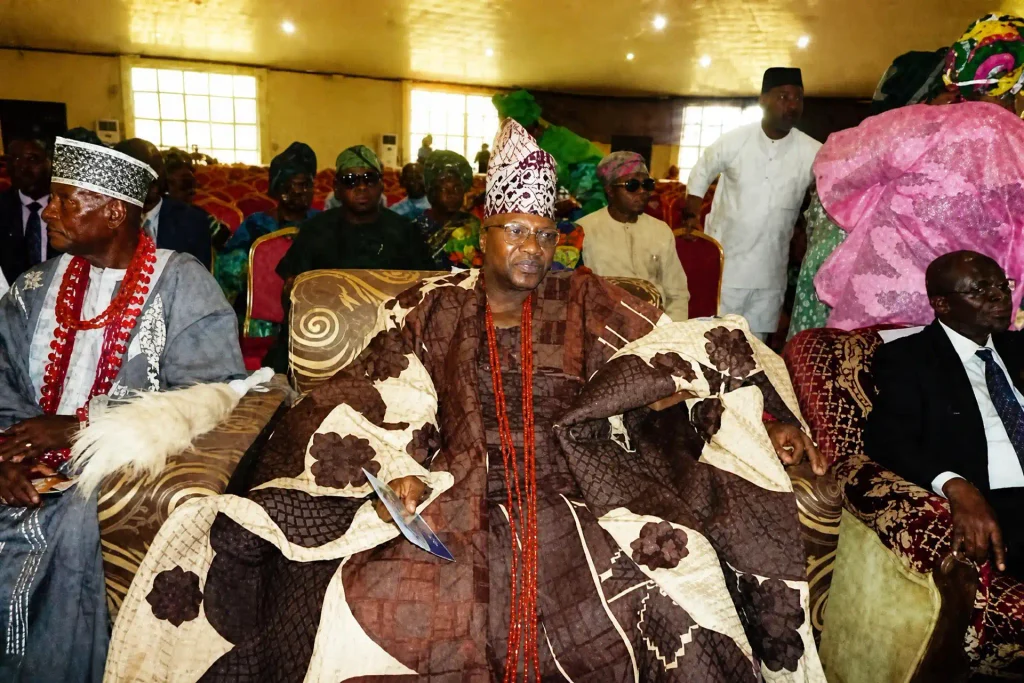
May 10, 2020: The Beginning of a Coordinated Response
On Sunday, May 10, 2020, Fasuyi began contacting selected Ijesa sons and daughters whom he considered capable of contributing to a structured intervention.
According to the account of the initiative, he had contacted 13 of the 16 people identified by midday, and all 13 had agreed to participate.
That afternoon, a telephone conversation with the late Owa Obokun Adimula of Ijesaland, Oba (Dr.) Gabriel Adekunle Aromolaran II, further reinforced the significance of the effort. The monarch reportedly asked whether Fasuyi had been following the emerging reports about mining in Ijesaland. Fasuyi explained that he had already begun mobilising stakeholders and organising a response.
The monarch reportedly offered prayers and encouragement for the initiative.
The immediate objective was to move the discussion beyond scattered concerns and develop a practical framework for responsible mineral resource management.
The resulting Ijesa Mineral Resources Development Forum was conceived as a platform for bringing together professionals, community stakeholders and other relevant interests to consider how mining could contribute to Ijesaland’s development while protecting its environmental and socioeconomic interests.
Establishing the Ijesa Mineral Resources Development Forum
The IMRDF held its first business meeting on May 17, 2020, one week after its establishment.
The COVID-19 pandemic and associated lockdown presented challenges, but members began gathering information, discussing strategies, organising thematic working groups and preparing intervention plans.
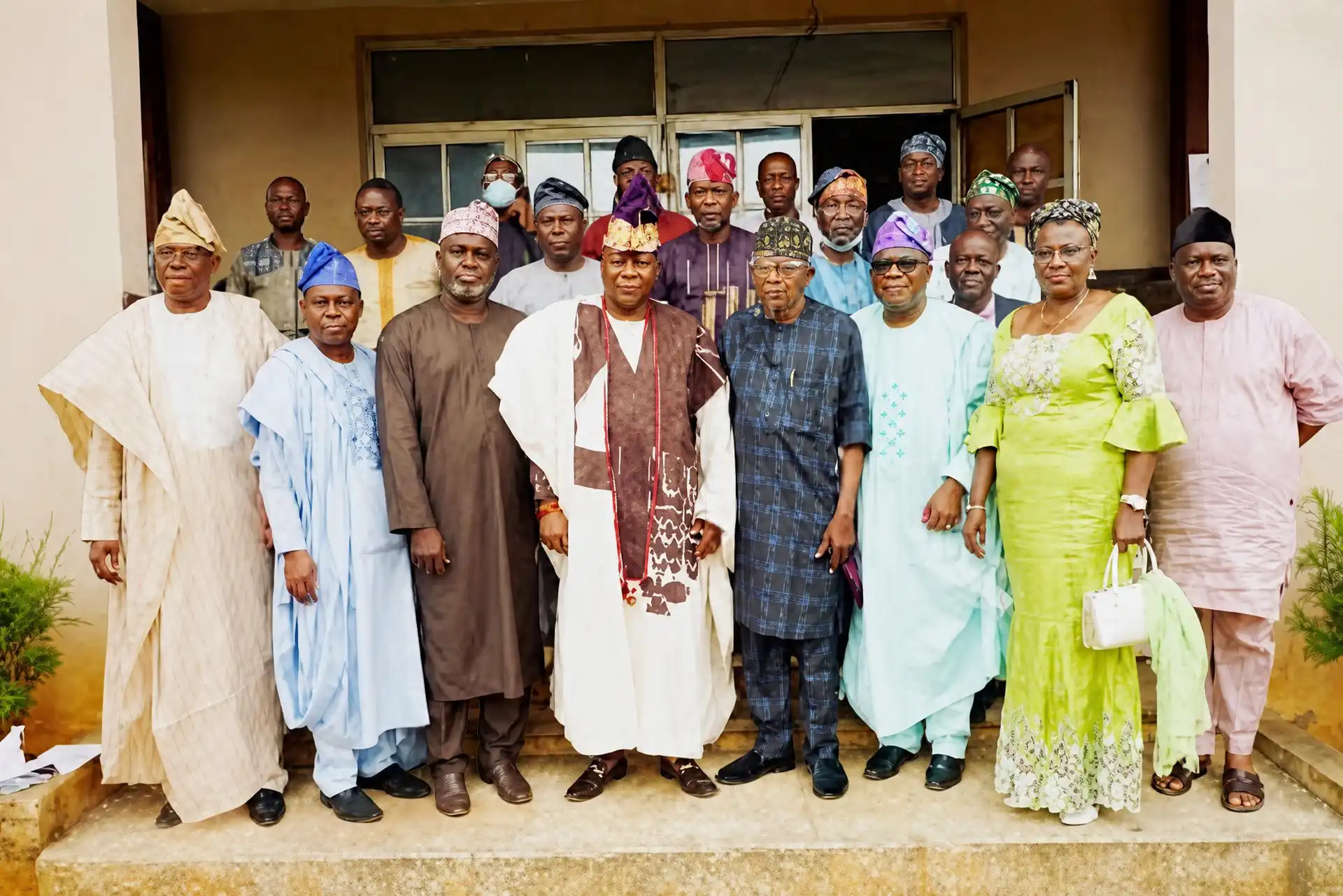
By July 19, 2020, Fasuyi reported that the Forum had held ten business meetings, in addition to meetings of its subcommittees.
The Forum brought together people with experience in areas including mining, environmental science, management, law, governance, public affairs and community development.
This multidisciplinary approach reflected an important understanding: the challenges associated with mining could not be addressed through one professional discipline or institution alone.
Environmental scientists could contribute to the assessment of risks. Legal and regulatory expertise could help clarify relevant obligations. Mining professionals could explain operational practices and opportunities. Community leaders could represent local concerns, while public authorities and security agencies had important roles in regulation and public safety.
The IMRDF sought to create a space in which these perspectives could contribute to a common development agenda.
Its guiding objective was to promote responsible mining, environmental sustainability, community participation and the fairer optimisation of mineral resources for the benefit of Ijesaland.
Five Areas of Intervention
The Forum’s proposed programme identified five complementary areas through which it intended to address the challenges and opportunities associated with mining.
1. Improving Information and Understanding of Mineral Resources
The first priority was to gather and analyse information about mineral deposits, mining locations, licence holders and applicable regulatory requirements.
Reliable information is essential to effective resource management. Without a clear understanding of where mining takes place, who is authorised to operate and which rules apply, communities may find it difficult to engage constructively with operators or relevant authorities.
The Forum therefore proposed developing a stronger information base to support informed decisions, stakeholder discussions and engagement with government agencies.
This emphasis on information was also intended to help communities understand the activities taking place around them and participate more effectively in decisions affecting their land and livelihoods.
2. Promoting Environmental Protection and Sustainable Mining
The second area focused on reducing the environmental and health risks associated with mining.
Proposed interventions included environmental and health assessments of mining fields, soil testing, public enlightenment and advocacy for appropriate environmental protection measures.
The Forum also drew attention to the dangers of abandoned mining pits and the importance of restoring affected sites.
Unrestored pits can pose serious risks to residents, particularly children and people who may unknowingly encounter hazardous areas. Responsible land management and appropriate site restoration are therefore important considerations throughout the mining process.
The Forum’s position was that mineral extraction should not be pursued at the expense of human safety, environmental integrity or the ability of future generations to use their land productively.
3. Strengthening Stakeholder Collaboration
The third area involved engagement with traditional institutions, host communities, licensed miners, government authorities and security agencies.
Mining involves different interests and responsibilities. Operators must comply with applicable laws and environmental requirements, while public authorities have regulatory and enforcement responsibilities. Communities need opportunities to express concerns and understand the implications of activities taking place in their localities.
The Forum sought to encourage constructive relationships among these stakeholders, with the aim of improving communication, supporting responsible practices and protecting the interests of host communities.
This approach recognised that sustainable solutions are more likely to emerge when relevant parties understand their responsibilities and have channels through which concerns can be addressed.
4. Public Enlightenment and Community Advocacy
The fourth area focused on educating the public about the risks, responsibilities and opportunities associated with mining.
The Forum proposed using electronic, print, social and community media to communicate its messages.
Public enlightenment was considered important because communities need access to understandable and relevant information to participate meaningfully in decisions about mineral resources.
The initiative encouraged residents and community leaders to understand their interests, engage operators constructively, report harmful activities through appropriate channels and cooperate with relevant authorities.
The broader objective was to move communities from passive observation towards informed participation in the management of resources found on their land.
5. Expanding Local Economic Benefits
The fifth area sought to improve the extent to which Ijesaland could benefit economically from mining.
The Forum’s proposals included employment opportunities for qualified Ijesa people, local participation in mining supply chains, vocational development, community shareholding in mining enterprises and investment opportunities for interested Ijesa sons and daughters at home and abroad.
These proposals were based on the belief that the economic value of mineral resources should extend beyond the extraction and sale of raw materials.
Local businesses could potentially supply goods and services. Qualified residents could pursue employment and professional opportunities. Investors could explore participation in the sector, while training initiatives could help young people develop relevant skills.
The Forum also proposed the establishment of an Ijesa Mining Industrial Park, with potential activities including gold refining, lapidary services, mining-related training and other businesses connected to the industry.
This industrial park remained a proposal in the materials reviewed; it should not be interpreted as evidence that the facility was subsequently established.
Nevertheless, the idea illustrated the Forum’s wider ambition to connect mineral resources with employment, entrepreneurship, skills development and industrial growth.
Engaging Mining Operators: The Question of Community Benefits
A significant part of the Forum’s early engagement concerned Segilola, the large-scale gold mining enterprise operating in Ijesaland.
The central issue was how the economic opportunities associated with mining could translate into meaningful benefits for Ijesa people and the communities hosting mining operations.
In his account of the Forum’s activities in July 2020, Fasuyi outlined proposals for engaging the company on the employment of qualified Ijesa professionals and workers, the use of local service providers and opportunities for Ijesa investors to participate in the mining business.
The Forum also sought improved benefits for the host communities of Iperindo, Odo-Ijesa and Mogbara-Ijesa through engagement around Community Development Agreements and corporate social responsibility commitments.
These discussions reflected a wider concern about the relationship between mineral extraction and local development.
Host communities experience the direct effects of industrial activities and therefore have a legitimate interest in environmental protection, community development, employment opportunities and the responsible management of mining operations.
The Forum’s position was that constructive engagement could help ensure that these interests were properly represented.
Its engagement with Segilola began with a virtual meeting on May 23, 2020. A subsequent meeting on July 18, 2020, reportedly secured the company’s agreement in principle to most of the areas proposed for engagement.
These discussions were part of the Forum’s early efforts to encourage cooperation between mining operators and the communities whose environment and economic future were connected to their operations.
It is important, however, to distinguish the reported agreement in principle from evidence that every proposed measure was subsequently implemented.
Clarifying the Forum’s Mandate
As public discussion about mining continued, Fasuyi issued a response on July 19, 2020, clarifying the purpose of the IMRDF.
He denied that the Forum had been established by the Owa Obokun to investigate Segilola or to pursue allegations of fraud against the company.
Instead, he explained that its mandate was to promote the collective socioeconomic interests of Ijesaland through information gathering, stakeholder engagement and responsible mineral resource management.
This distinction is important to understanding the Forum’s stated approach.
Its purpose was not to replace evidence with accusations or to treat every disagreement between communities and operators as proof of wrongdoing. Rather, it sought to encourage informed engagement, responsible mining practices and the protection of community interests.
A constructive approach requires concerns to be investigated through appropriate processes, responsibilities to be clearly understood and relevant parties to engage on the basis of facts.
For the IMRDF, the larger objective was to create conditions under which mineral resources could support development without compromising the wellbeing of host communities.
Environmental Protection and Community Security
Environmental responsibility and community security were closely connected in the Forum’s intervention plans.
The reported concerns included land degradation, abandoned mining pits, potential water contamination, health hazards and risks to personal safety.
The Forum advocated safer mining practices and called attention to the importance of restoring abandoned pits and managing affected land responsibly.
It also promoted public awareness of the health implications of mining activities and the need for communities to participate in monitoring developments within their areas.
Security was treated as a shared concern requiring vigilance and cooperation with the relevant authorities. Community leaders and residents were encouraged to report emerging concerns through appropriate channels rather than take enforcement into their own hands.
This approach recognised the importance of community participation while respecting the responsibilities of formal regulatory and security institutions.
The underlying principle was straightforward: the pursuit of mineral wealth should not expose residents to avoidable dangers or undermine the security and environmental future of their communities.
Taking the Conversation Across Ijesaland
The Forum recognised that its objectives could not be achieved through meetings among professionals alone.
The people directly affected by mining needed to understand the issues, contribute their perspectives and participate in shaping solutions.
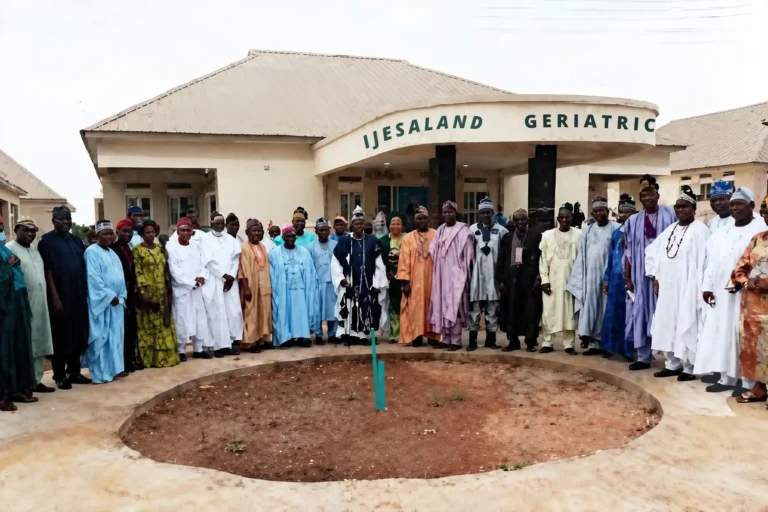
Plans were therefore developed for consultations across the six local government areas of Ijesaland, with engagements involving local government chairmen and community representatives.
The proposed consultations were intended to accommodate traditional rulers, youth leaders, religious leaders, political leaders and representatives of community associations.
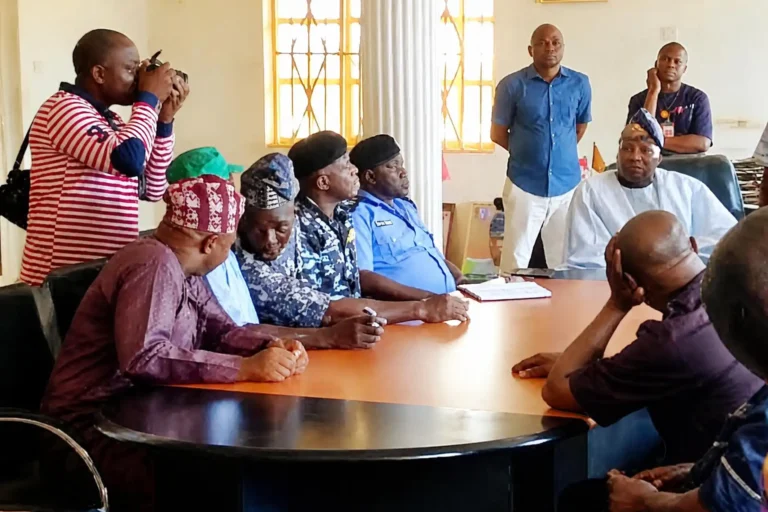
In September 2020, the Forum commenced its stakeholder advocacy programme. Its engagements included a meeting with local government chairmen and political leaders, where environmental protection and the socioeconomic benefits of mining were discussed.
The wider programme envisaged engagements with individual communities and selected mining sites, recognising that different locations could face different challenges.
This community-centred approach was important because responsible resource management requires more than technical knowledge. It also depends on public understanding, trust, access to information and the ability of communities to represent their interests through appropriate channels.
By encouraging organised participation, the Forum sought to make the mining conversation more inclusive and focused on the long-term welfare of Ijesaland.
A Wider Vision for Industrial Development
The IMRDF’s ambitions extended beyond addressing immediate environmental and security concerns.
Its proposals explored how the mining sector could contribute to a broader programme of industrial development in Ijesaland.
The proposed Ijesa Mining Industrial Park was one expression of this ambition. The concept envisaged opportunities in areas such as gold refining, lapidary activities, mining-related training and businesses connected to the sector’s supply chains.
Such activities could potentially create additional opportunities for entrepreneurship, technical skills development, employment and investment.
The Forum also sought to explore opportunities associated with the Federal Government’s Presidential Artisanal Gold Mining Initiative, launched in July 2020.
These ideas reflected an attempt to consider mineral resources as a potential foundation for a wider economic ecosystem rather than a resource whose value ended at extraction.
For Ijesaland, the long-term question was how to build the skills, enterprises, partnerships and infrastructure that could enable local people to participate more fully in the industry.
The proposals were ambitious, and their ultimate value would depend on implementation, investment, regulatory support and evidence of measurable outcomes. Their inclusion in the Forum’s plans nevertheless demonstrated the breadth of the development vision it sought to advance.
Leadership, Integrity and Collective Responsibility
The emergence of the IMRDF illustrates an approach to community leadership centred on identifying a problem, assembling relevant expertise and organising a response.
Fasuyi’s role involved initiating the consultations, mobilising participants and helping shape a framework that connected environmental protection with community welfare and economic opportunity.
Leadership by example was reflected in the decision to organise stakeholders around an issue of growing public concern.
Vision was evident in the attempt to connect the immediate challenges of mining with longer-term opportunities in employment, investment, vocational development and industrialisation.
Integrity and transparency were reflected in the Forum’s stated emphasis on reliable information, responsible resource management, constructive stakeholder engagement and the protection of community interests.
Accountability featured in proposals for documenting mining activities, engaging the appropriate authorities and encouraging responsibility for environmental damage and site restoration.
In his July 2020 account, Fasuyi also stated that members had funded the Forum’s activities through personal contributions and had not received financial support from external sources.
This reflected the initiative’s stated emphasis on voluntary service and collective responsibility.
At the same time, a fair assessment of the Forum’s legacy requires a distinction between its founding objectives and its subsequent outcomes. The available account documents its early meetings, plans, stakeholder engagements and advocacy priorities. Determining the full long-term impact would require further evidence of implementation, environmental improvements, employment outcomes, community benefits and the status of proposed projects.
Recognising this distinction does not diminish the significance of organising a coordinated response. It helps place the initiative within a clear and credible record of community development.
Beyond Mineral Wealth: A Development Agenda for Ijesaland
The establishment of the Ijesa Mineral Resources Development Forum in May 2020 marked an organised attempt to address the relationship between mineral exploitation, environmental responsibility, community security and economic development.
Its early work brought together professionals and stakeholders to consider information gathering, environmental protection, public education, engagement with mining operators and greater local participation in the sector.
The Forum’s proposals also challenged Ijesaland to think beyond the immediate presence of gold and consider the wider economic opportunities associated with mineral resources.
For host communities, that meant asking important questions about environmental safeguards, site restoration, public health, local employment and participation in development decisions.
For mining operators, it highlighted the importance of responsible practices and constructive relationships with communities.
For traditional institutions, public authorities and community leaders, it underscored the value of coordination, informed engagement and sustained attention to the collective interests of the people.
The intervention’s enduring significance lies in this effort to organise a complex issue into a structured community development agenda.
Asiwaju Olayinka Fasuyi helped bring people together around the proposition that Ijesaland’s mineral resources should be managed with greater attention to the environment, the safety of residents and the economic prospects of future generations.
The work of the IMRDF also illustrates that meaningful development requires more than identifying a problem. It demands the mobilisation of expertise, the building of partnerships, the development of practical proposals and the continued effort to translate those proposals into measurable results.
The vision is clear: mineral wealth should be an opportunity for Ijesaland to build sustainable prosperity, expand local participation and protect the interests of its people—not a source of avoidable environmental damage or missed economic opportunities.
From the Office of Asiwaju Olayinka Fasuyi