14 — Caring for Ijesaland’s Elders: How Asiwaju Olayinka Fasuyi Initiated & Mobilised Support for Elderly Health Insurance
How a community-led initiative brought together ICDA, the National Health Insurance Authority and Ijesa contributors to expand healthcare access for thousands of senior citizens.
A community’s commitment to development can be measured not only by the infrastructure it builds or the opportunities it creates for young people, but also by how it cares for its older citizens.
For elderly people, access to healthcare can become increasingly important as they navigate age-related health challenges, medical expenses and the financial uncertainties that may accompany retirement or reduced earning capacity. When the cost of treatment becomes difficult to manage, necessary care can be delayed, with consequences for personal wellbeing and family livelihoods.
It was against this background that Asiwaju Olayinka Fasuyi, the Asiwaju of Ijesaland, championed the conception and mobilisation of support for the Ijesa Elderly Health Insurance Scheme through the Ijesa Community Development Assembly (ICDA).
The initiative sought to reduce financial barriers to healthcare by organising community support for health insurance premiums and connecting eligible elderly people to participating healthcare providers.
According to the programme’s published stewardship record, the scheme enrolled 3,000 elderly Ijesa men and women in 2024 and an additional 2,000 beneficiaries in 2025. These reported figures represent a significant effort to make healthcare support available to a vulnerable segment of the population.
More importantly, the initiative demonstrates how a community’s concern for its elderly members can be translated into a structured programme through leadership, institutional partnership and collective contributions.
From a healthcare concern to a practical solution
The needs of older citizens require thoughtful and sustained attention. As people age, they may need more frequent consultations, prescribed medicines, diagnostic investigations and treatment for conditions that require continuing medical supervision.
For vulnerable elderly people, the financial burden of obtaining these services can become a major obstacle. Families may struggle to meet healthcare expenses, while some older people may have limited independent income or depend on relatives for support.
Recognising this challenge, Fasuyi championed a health insurance approach through ICDA rather than relying exclusively on occasional medical outreach or one-off assistance.
The objective was to establish a more structured means of helping eligible elderly people access healthcare services through an insurance arrangement.
The programme targeted vulnerable Ijesa indigenes aged 60 and above across the six local government areas of Ijesaland: Ilesa East, Ilesa West, Obokun, Oriade, Atakumosa East and Atakumosa West.
Its broader aspiration was to promote healthier ageing and improve the prospects of longer, more dignified lives for elderly members of the community.
This approach placed elderly welfare within the wider community development agenda, recognising that a society’s progress should include the wellbeing of people who have spent much of their lives contributing to their families and communities.
Mobilising Ijesaland around elderly welfare
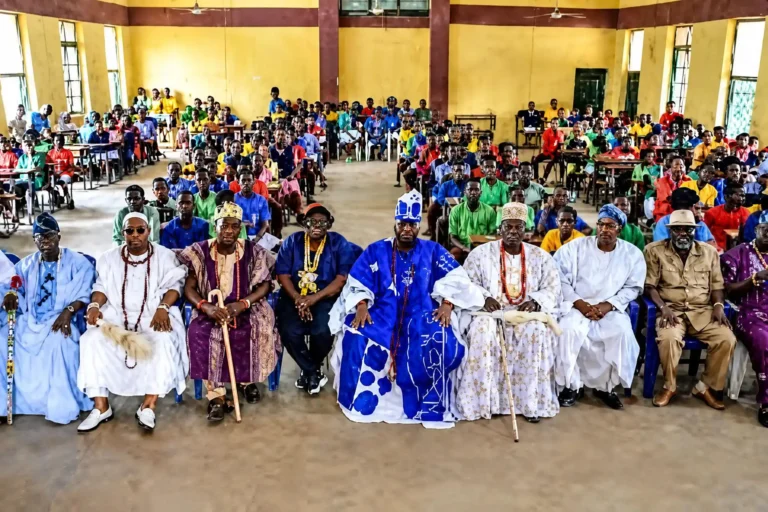
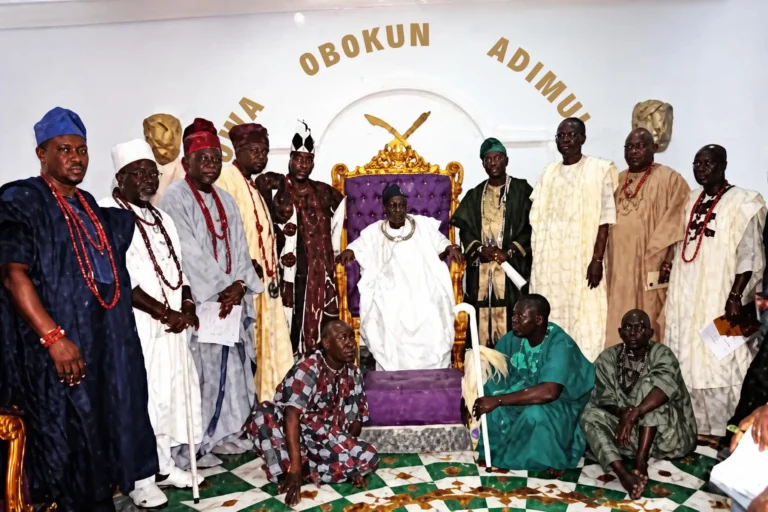
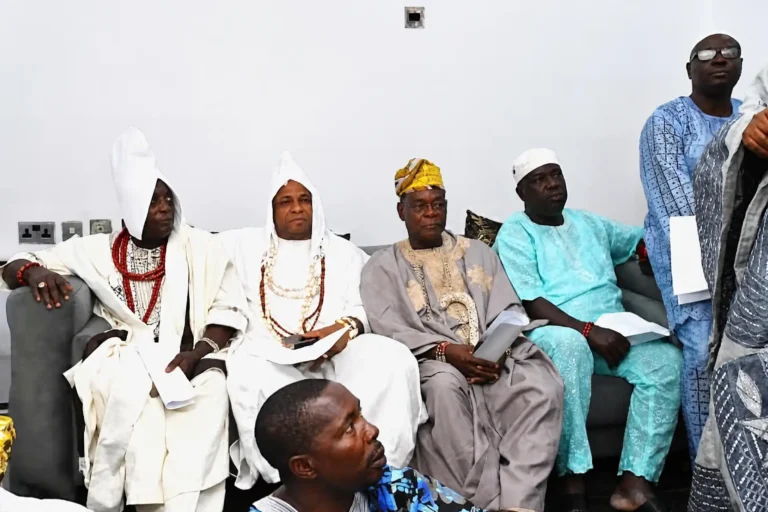
Having identified the need for a sustainable response, Fasuyi helped mobilise traditional rulers, local government chairpersons, community organisations, professionals, development practitioners and other stakeholders around the proposed intervention.
Through ICDA, the engagement provided a platform for discussing how community resources could be directed towards a clearly defined healthcare need.
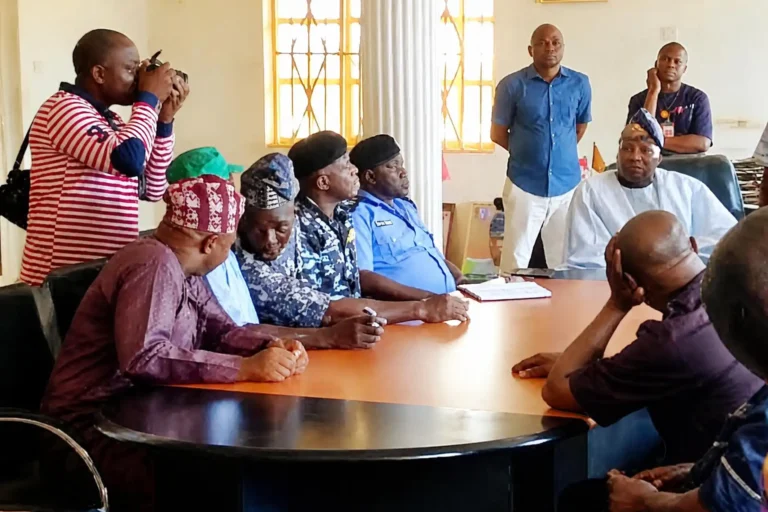
The National Health Insurance Authority (NHIA) contributed institutional expertise by explaining the operation of health insurance, the advantages of enrolment, the scope of coverage and the responsibilities of beneficiaries.
These discussions helped connect the community’s desire to support its elderly population with an established framework for accessing healthcare services.
The mobilisation also generated commitments from Ijesa contributors to sponsor insurance premiums. An early commitment covered 350 Ijesa indigenes at ₦15,000 per person, representing a proposed premium contribution of ₦5.25 million.
This commitment was an important step towards translating the concept into practical assistance. Subsequent mobilisation expanded the effort to support a larger number of elderly beneficiaries.
The process illustrated a central principle of community development: when a need is clearly identified and a workable delivery mechanism is established, individuals and institutions can be encouraged to contribute towards a shared objective.
Fasuyi’s role was to champion the idea, convene stakeholders and help mobilise the support required to move the scheme forward. Its development also depended on the contributions of ICDA, traditional institutions, community donors and healthcare partners.
A strategic partnership with the NHIA
A health insurance scheme requires more than the willingness to pay premiums. It also needs an appropriate institutional framework, clear enrolment arrangements and participating healthcare facilities capable of providing services to beneficiaries.
ICDA partnered with the NHIA under the Group, Individual and Family Social Health Insurance Programme (GIFSHIP) to support the implementation of the initiative.
The arrangement connected community-funded premium sponsorship with an established health insurance structure and a network of accredited healthcare providers.
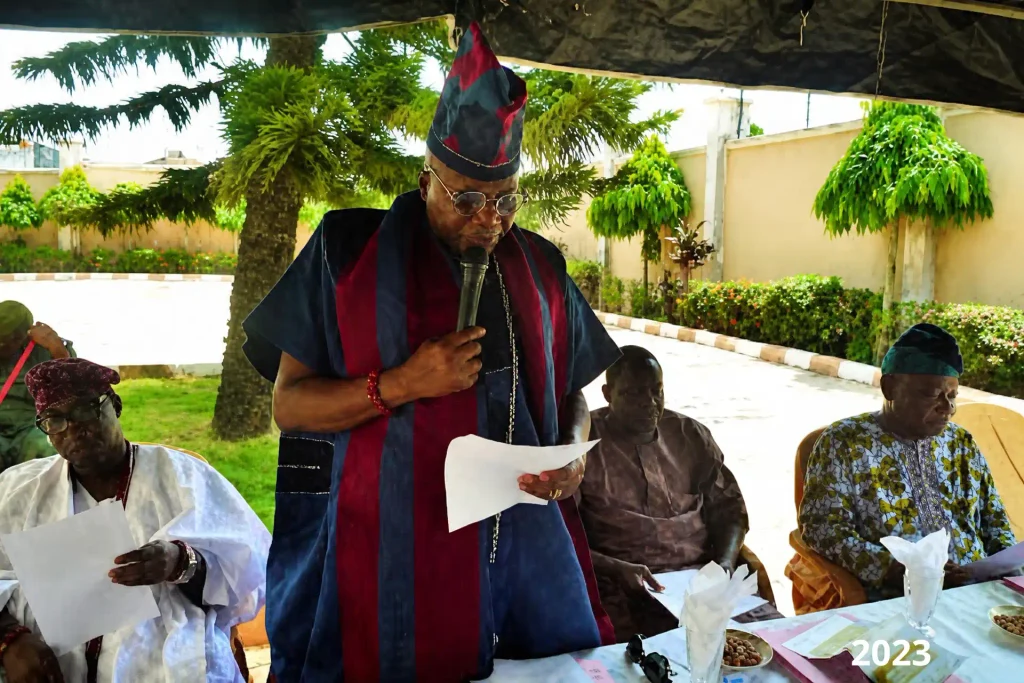
On 27 May 2024, ICDA and the NHIA conducted an advocacy and sensitisation exercise at the Ijesaland Geriatric Centre. More than 1,000 registered patients of Ijesa origin reportedly participated in the engagement.
The exercise focused on explaining the scheme, its benefits and the requirements associated with participation. It also helped prepare prospective beneficiaries for enrolment and use of the insurance arrangement.
Sensitisation extended to traditional rulers and community heads across Ijesaland’s six local government areas. Traditional institutions were encouraged to help identify eligible elderly people and communicate relevant information to their communities.
The involvement of local institutions was important because successful community health programmes depend on reaching the people they are intended to serve and helping beneficiaries understand how to access available services.
Connecting beneficiaries to healthcare facilities
The programme’s published account identifies several participating healthcare facilities, including the Ijesaland Geriatric Centre and Wesley Guild Hospital in Ilesa, as well as the Obafemi Awolowo University Teaching Hospitals Complex in Ile-Ife, alongside other accredited facilities.
The reported insurance package covered eligible services under the applicable scheme arrangements, including outpatient consultations, prescribed medicines, diagnostic tests and specified surgical and other medical treatments.
Coverage remained subject to the scheme’s terms, conditions and applicable co-payment requirements.
This distinction matters because health insurance does not necessarily mean that every medical service or expense is automatically covered. Beneficiaries need clear information about the services included, any required contributions and the procedures for obtaining treatment.
By connecting community sponsorship with participating healthcare providers, the initiative sought to make the insurance arrangement practically useful rather than simply provide a registration document.
The intended benefit was to reduce the financial pressure associated with obtaining eligible medical care and help elderly beneficiaries access services through the established programme.
From launch to implementation
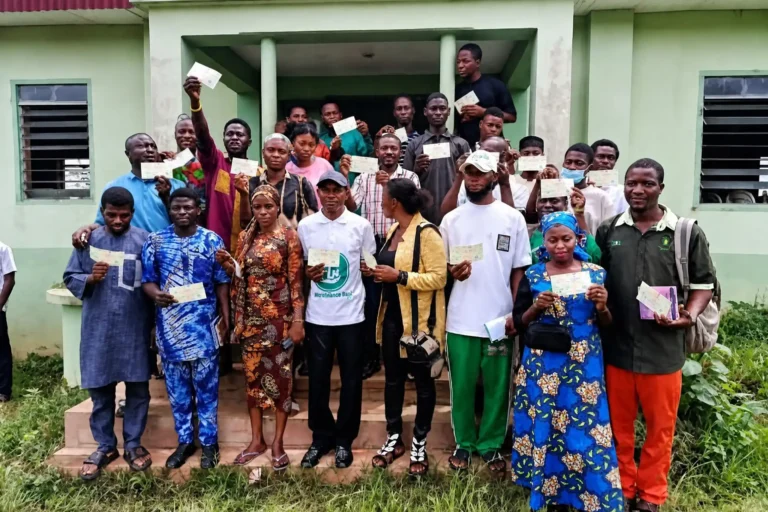
The transition from concept to implementation involved stakeholder engagement, beneficiary registration, premium sponsorship and the distribution of insurance cards.
At the scheme’s formal flag-off, ICDA presented a ₦30 million cheque representing the first-year insurance premiums for 2,000 beneficiaries. NHIA registration cards were also presented, marking an important stage in the programme’s implementation.
The published stewardship account subsequently reported that 3,000 elderly people were enrolled and sponsored in 2024, followed by another 2,000 in 2025.
This brought the reported total to 5,000 beneficiaries over the two years.
The expansion from the initial cohort to a larger number of participants demonstrates the ambition to extend support beyond a one-time launch.
It also highlights the importance of financial mobilisation. Insurance coverage requires premiums to be funded, and extending a scheme to more beneficiaries depends on the availability of resources and the ability to maintain the necessary arrangements.
The reported enrolment figures therefore provide a useful measure of the programme’s reach. Continued reporting on renewals, service utilisation and beneficiary experiences would provide further insight into the scheme’s sustained impact.
The importance of collective responsibility
The Ijesa Elderly Health Insurance Scheme reflects an approach to community development in which responsibility is shared among individuals, institutions and community organisations.
Asiwaju Fasuyi championed the initiative and helped mobilise support. ICDA provided the community development platform through which the scheme was advanced. The NHIA contributed health insurance expertise and the institutional framework for enrolment. Traditional rulers and community leaders helped with advocacy and outreach, while Ijesa contributors provided financial support.
Healthcare professionals and participating facilities also have an important role in ensuring that enrolled beneficiaries receive appropriate services under the applicable scheme conditions.
Each contribution addresses a different part of the challenge. Leadership can identify a need and build momentum, but a sustainable programme requires resources, professional expertise, administrative coordination and accessible healthcare services.
The scheme also provided an organised channel through which Ijesa people could support elderly members of their community. Instead of depending solely on individual acts of charity, contributors could participate in a defined intervention with an identifiable target population.
This is an important feature of community-funded development: collective goodwill becomes more effective when it is organised around clear objectives and practical delivery arrangements.
Leadership that recognises the dignity of ageing
The scheme reflects a wider understanding of leadership that places human welfare at the centre of community development.
Older people have contributed to the growth of families, institutions, businesses and communities over many decades. Their healthcare needs deserve attention not merely as a matter of compassion, but as part of a community’s responsibility to protect dignity and wellbeing across generations.
By championing an insurance-based intervention, Fasuyi helped direct attention towards a group that can face particular barriers in accessing healthcare.
The programme’s emphasis on structured coverage also acknowledged that elderly welfare requires continuity. Occasional assistance can be valuable, but a health insurance arrangement has the potential to provide a more organised route to eligible services when medical attention is needed.
The long-term value of the scheme will depend on sustained premium funding, effective administration, continued access to participating providers and beneficiaries’ understanding of their coverage.
Its reported expansion nevertheless demonstrates an effort to make elderly healthcare a practical part of Ijesaland’s community development priorities.
Accountability and the next stage of impact
The reported enrolment of 5,000 elderly people across 2024 and 2025 provides a measurable indication of the programme’s scale.
However, enrolment is one part of the picture. The lasting value of a health insurance initiative is also reflected in whether beneficiaries can access covered services, whether participating facilities provide the required care and whether funding remains available to sustain coverage.
Regular updates on renewals, claims, service utilisation, beneficiary feedback and the number of people receiving treatment would help provide a fuller account of the scheme’s impact.
Such information would also strengthen transparency for the community contributors whose support helps fund the programme.
These considerations do not diminish the importance of the initiative. Rather, they point to the next stage of responsible programme stewardship: ensuring that the people enrolled can make effective use of the support intended for them.
A milestone in compassionate community development
The Ijesa Elderly Health Insurance Scheme stands as one of the milestones associated with Asiwaju Olayinka Fasuyi’s decade of community service.
Its development followed a clear progression: identifying a healthcare challenge, championing a practical solution, mobilising community resources, partnering with the NHIA and supporting the enrolment of elderly beneficiaries.
The reported participation of 5,000 senior citizens over 2024 and 2025 illustrates the scale of the effort and the willingness of community stakeholders to support a defined social need.
The achievement should also be understood as a collective undertaking. ICDA, the NHIA, traditional rulers, community leaders, healthcare professionals, participating facilities and contributing Ijesa patriots all form part of the story.
Fasuyi’s contribution lies in championing the original vision and helping bring these stakeholders together around an organised response to elderly healthcare needs.
Ultimately, the scheme expresses an important principle: development should include people at every stage of life. Caring for older citizens is not separate from building a stronger community; it is one of the ways a community demonstrates its values.
Through the Ijesa Elderly Health Insurance Scheme, Ijesaland has pursued a practical approach to making healthcare support more accessible to vulnerable senior citizens. Its continued success will depend on sustaining that commitment and ensuring that the people enrolled can benefit from the coverage for which support has been mobilised.