07 — From an Idea to a Landmark: How Asiwaju Olayinka Fasuyi Initiated & Mobilised Ijesas to Build the Ijesaland Geriatric Centre
A story of vision, community ownership, professional expertise and collective commitment to healthcare for older persons
The story of the Ijesaland Geriatric Centre is more than the story of a healthcare facility. It is an account of how a community recognised a critical need, developed a practical response and mobilised its people, resources and professional expertise to establish an institution designed to serve generations.
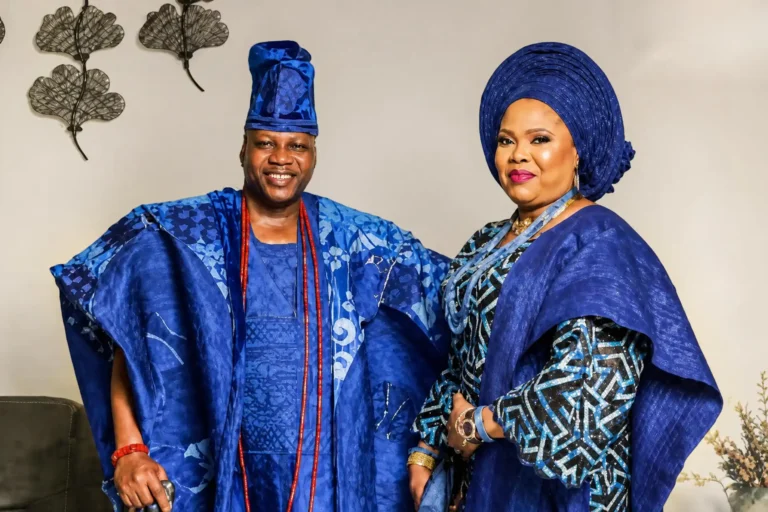
At the centre of this journey was Asiwaju Olayinka Fasuyi, Asiwaju of Ijesaland, whose initiative, personal commitment and sustained mobilisation helped transform a proposal into a landmark healthcare project. Yet the Centre’s achievement also belongs to the many Ijesa sons and daughters, medical experts, traditional institutions, families, corporate organisations, equipment donors and development stakeholders who contributed to its realisation.
The Ijesaland Geriatric Centre stands as an example of what purposeful leadership and collective responsibility can achieve when a community is united around a clearly defined development priority.
The Beginning: An Idea for a Healthier Ijesaland
On December 10, 2020, an initiative was introduced on an Ijesa community platform under the theme “2021 Ijesa Health Is Wealth.”
The idea was to identify a meaningful healthcare intervention that could respond to an important need within Ijesaland and deliver lasting benefits beyond a short-term programme.
Rather than immediately committing resources to a predetermined project, consultations were undertaken with health practitioners. These engagements explored the community’s healthcare needs, existing medical services, available personnel, equipment requirements, operational feasibility, long-term sustainability and possible areas of government support.
The process was guided by a fundamental question: which healthcare intervention could make a significant and enduring difference to the people of Ijesaland?
The consultations pointed towards specialised care for older persons. This became the foundation for the proposed Ijesaland Geriatric Centre.
The choice reflected recognition that ageing brings particular healthcare needs requiring specialised attention, appropriate facilities and a coordinated approach to treatment, rehabilitation and continuing care.
The proposal was therefore not simply to construct another building. It was to establish a specialised healthcare institution with a clear purpose and a structure for sustainable operation.
Why a Geriatric Centre?
Older persons deserve healthcare that recognises their distinct needs, preserves their dignity and supports their wellbeing.
Geriatric medicine focuses on the prevention, diagnosis, treatment and management of health conditions associated with ageing. It also recognises the importance of rehabilitation, functional independence, appropriate medication, healthy ageing and the wider support systems that contribute to quality of life.
For Ijesaland, the proposed Centre offered an opportunity to develop a dedicated institution around these priorities.
Its significance extended beyond the immediate provision of medical services. It represented a community investment in the wellbeing of parents, grandparents and future generations, while strengthening the region’s healthcare infrastructure.
The vision was to create a facility that could draw on professional medical expertise, appropriate equipment, effective management and institutional collaboration to deliver specialised services.
Bringing Medical Expertise into the Vision
A project involving specialised healthcare requires more than goodwill and financial resources. It demands technical guidance, professional planning and a clear understanding of the services the institution is expected to provide.
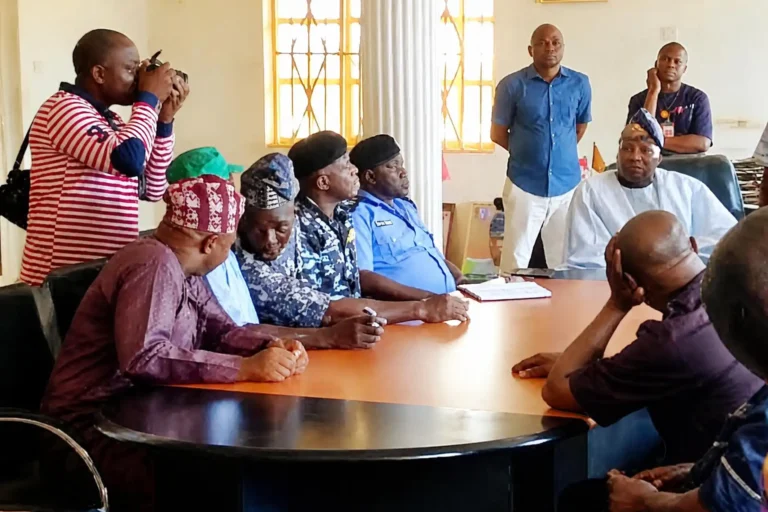
To support this process, a Project Technical Advisory Committee was established under the chairmanship of Professor Isaac Folorunso Adewole, former Minister of Health. Other members included Professor Biodun Ilesanmi and Professor Oye Gureje.
The committee examined the proposed medical services, gaps in existing provision, infrastructure requirements, staffing, equipment acquisition, operating costs and the arrangements necessary for sustainable management.
This technical input helped shape the project around its intended healthcare purpose rather than treating construction as an end in itself.
The process also recognised that the long-term value of a healthcare facility depends on its ability to deliver services effectively after commissioning. Personnel, equipment, operational systems and institutional partnerships therefore formed part of the wider planning considerations.
Building a Structure for Delivery and Accountability
From the outset, the project adopted a governance structure designed to separate technical advice, project execution and independent monitoring.
Three principal structures supported the initiative:
- Project Technical Advisory Committee: Provided professional guidance on healthcare needs, medical services, infrastructure, equipment and technical priorities.
- Project Monitoring and Evaluation Committee: Provided an oversight mechanism intended to strengthen accountability and monitor project implementation.
- Project Management Team: Coordinated the practical execution of the project and the activities required to bring the vision to completion.
This arrangement was important because the initiative depended on contributions from a wide range of individuals and organisations. The resources being mobilised had to be managed in a manner that inspired confidence and maintained focus on the project’s objectives.
Professional guidance and monitoring were therefore treated as essential parts of the development process, rather than activities to be considered only after construction had begun.
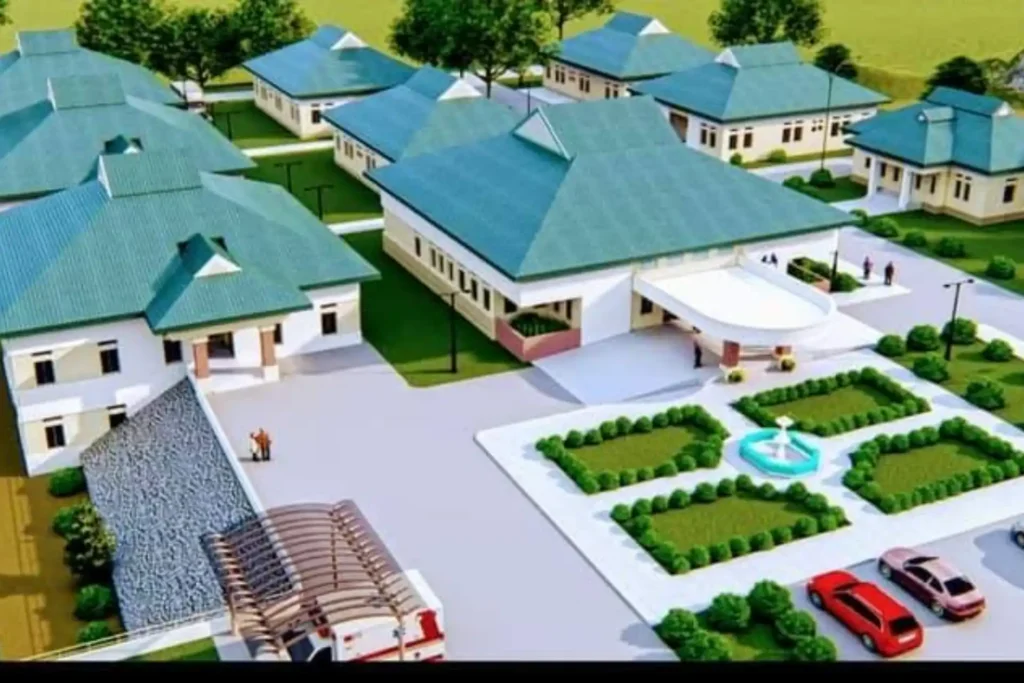
The proposed location was land belonging to the Obafemi Awolowo University Teaching Hospitals Complex (OAUTHC), near CAPPA along the Ijebu-Jesa Road in Ilesa. The relationship with a major teaching hospital offered a significant institutional context for the Centre’s development and its healthcare mission.
Planning also considered staff training, sustainable management, possible private-sector participation and the potential for phased expansion as needs and resources evolved.
The Mobilisation: Turning a Community Idea into a Shared Mission
A vision, however carefully developed, cannot become a functioning institution without the resources required to implement it.
The Ijesaland Geriatric Centre required substantial funding, professional services, medical equipment and support from individuals and organisations capable of contributing to different aspects of the project.
Asiwaju Olayinka Fasuyi took on a central role in mobilising these resources.
His approach involved direct engagement with Ijesa sons and daughters at home and in the diaspora, alongside families, royal dynasties, societies, corporate organisations, professional groups and other strategic partners.
Telephone calls, WhatsApp communications, personal appeals, consultations, meetings and follow-up engagements formed part of the mobilisation effort.
The objective was to communicate the purpose of the project, explain the need for broad participation and encourage stakeholders to regard the Centre as a shared community investment.
Different avenues were created to enable participation at varying levels. Individuals could contribute financially, while families, associations, corporate bodies and other partners could support the project according to their capacity. Medical equipment donations and professional contributions also formed part of the mobilisation strategy.
This approach broadened the project’s support base and reinforced the principle that a major community institution need not depend on a single benefactor.
Fasuyi’s contribution was particularly significant in sustaining the initiative, bringing stakeholders together and encouraging the collective commitment required to move the project forward.
Leadership by Example and Personal Commitment
Mobilising a community around a major development project requires persistence. It involves explaining the vision repeatedly, addressing questions, following up on commitments and maintaining confidence throughout implementation.
Fasuyi’s role extended beyond introducing the idea. He personally engaged prospective contributors and made substantial financial contributions of his own.
His involvement helped reinforce the message that the project was not merely an appeal for other people to provide resources. It was a cause to which its chief mobiliser was also committed.
Leadership by example was therefore expressed through both personal participation and the continued effort to bring others into the process.
Nevertheless, the Centre’s establishment was a collective undertaking. Its delivery depended on the combined financial sacrifices, expertise, donations, institutional support and commitment of many participants.
The lasting significance of the mobilisation lies in how those different contributions were brought together around a common objective.
The Palace Project and the Seed of a New Healthcare Initiative
One distinctive aspect of the Centre’s history is its connection to the successful reconstruction of the Owa Obokun Adimula’s Palace in Ilesa.
Following the destruction of the former Palace by fire in 2008, a renewed community effort led to the completion and commissioning of the new Palace on December 26, 2020.
According to the project account, the Palace project recorded a surplus of ₦36 million after completion. That surplus subsequently served as seed funding for the 2021 Ijesa Health Is Wealth initiative from which the Geriatric Centre emerged.
The connection illustrates how the outcome of one community project can help create an opportunity for another.
The Palace project had demonstrated the capacity of Ijesaland to mobilise resources, engage professional expertise and deliver a major development undertaking through collective effort. The health initiative built on that experience and redirected resources towards a different but equally important community need.
The transition from a cultural and traditional landmark to a specialised healthcare institution also reflected a broader development outlook: community resources and organisational capacity could be channelled into projects serving different dimensions of Ijesaland’s wellbeing.
From Fundraising to a Functioning Healthcare Institution
The Centre’s development required the mobilisation of money, professional expertise, equipment and other resources, as well as the coordination of construction and project implementation.
The project account placed the completion budget at approximately ₦600 million. This figure reflects the reported project budget and should be distinguished from any independently audited final cost.
The mobilisation effort reached beyond individual contributions. Families and royal dynasties, corporate organisations, societies and other partners also participated. Equipment donations and support from Ijesa networks, including those in the diaspora, formed part of the wider effort.
The project also adopted the concept of recognising contributors through a Hall of Honour, reflecting the intention to acknowledge the people and organisations whose participation helped bring the institution to life.
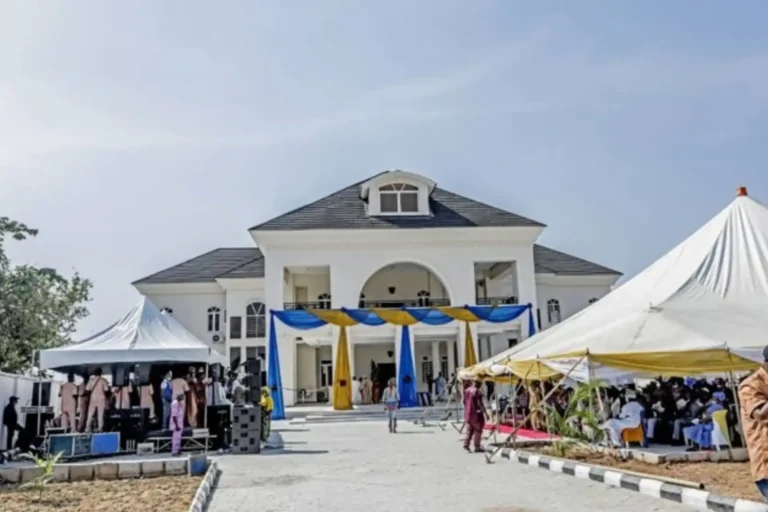
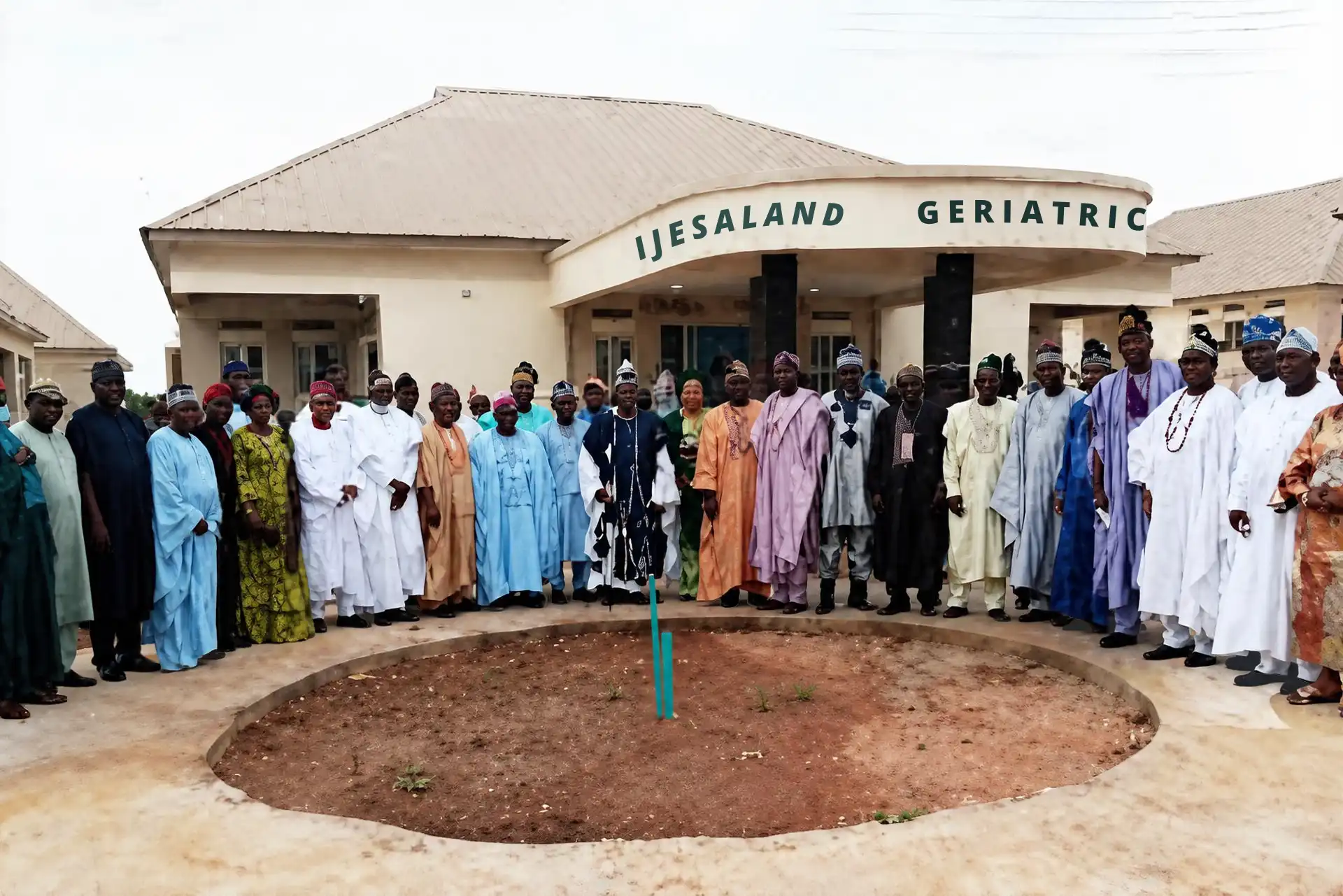
The Centre was completed in approximately ten months and commissioned on March 31, 2022.
Its facilities were reported to include outpatient services, administrative areas, ophthalmology and dental services, physiotherapy, theatres, inpatient wards, digital imaging, adult immunisation, laboratory services and supporting facilities.
These components reflect the project’s ambition to establish a specialised institution with a range of services relevant to older persons and the wider healthcare system.
The achievement was not simply the completion of a physical structure. It was the establishment of a healthcare institution intended to provide services within a specialised and professionally guided framework.
The Importance of Transparency and Oversight
Large community-funded projects depend on trust. Contributors must have confidence that the resources they provide will be applied to the agreed purpose and that the project will be managed responsibly.
For the Ijesaland Geriatric Centre, technical advice, project management and monitoring were incorporated into the project structure to support this objective.
The project account also described regular engagement with stakeholders and appeals for outstanding contributions as implementation progressed. In February 2022, the Project Management Team reportedly indicated that the project had reached approximately 90 per cent of its ₦600 million completion budget and appealed for resources to complete the remaining work.
This illustrates the practical realities of delivering a large project through community contributions: fundraising and implementation must proceed alongside one another, and continued communication is necessary to sustain participation.
The governance arrangements were intended to provide checks and balances while keeping the project focused on its objectives. Their broader lesson is that community enthusiasm is most effective when accompanied by professional standards, clearly defined responsibilities and accountable management.
A Collective Achievement with a Lasting Purpose
The commissioning of the Ijesaland Geriatric Centre on March 31, 2022, marked an important milestone for Ijesaland. The event was attended by the then Governor of Osun State, Adegboyega Oyetola, among other stakeholders.
The project brought together a range of contributors: medical experts, traditional and community leaders, individual donors, families, corporate partners, equipment donors, professionals and members of the Ijesa diaspora.
Each contribution formed part of the wider effort to establish an institution around a shared healthcare objective.
Fasuyi’s place in this history is that of an initiator, chief mobiliser and substantial contributor whose leadership helped turn the idea into a collective undertaking. It is equally important to recognise that the Centre could not have been realised through his efforts alone.
The initiative required a community willing to contribute, professionals prepared to provide guidance, project structures to coordinate implementation and stakeholders committed to a common purpose.
The Centre’s story is therefore both a record of leadership and a demonstration of collective capacity.
Five Principles Behind the Achievement
The development of the Ijesaland Geriatric Centre illustrates five principles associated with Fasuyi’s approach to community development.
1. Leadership by example
The initiative was supported by personal engagement, sustained mobilisation and substantial personal contributions from its chief mobiliser.
2. Vision
The project began with a community conversation, proceeded through consultation with health professionals and developed into a proposal for specialised geriatric care.
3. Integrity
The emphasis on the project’s defined healthcare purpose, professional input and collective ownership helped keep attention on the intended community benefit.
4. Transparency
Stakeholder engagement, structured project responsibilities and communication about funding needs formed part of the effort to sustain confidence in the initiative.
5. Accountability
The use of technical advisory, project management and monitoring structures reflected the importance of oversight when managing substantial community contributions.
Together, these principles help explain how an idea moved beyond discussion to become a physical and institutional reality.
Beyond Construction: Sustaining the Vision
The long-term value of the Ijesaland Geriatric Centre will depend not only on what was built, but also on the quality, accessibility and sustainability of the services it provides.
Healthcare institutions must continue to respond to changing medical needs, maintain appropriate equipment, support and develop personnel, and operate with sound management systems. Partnerships and phased development can also help an institution adapt as demand and available resources evolve.
The original planning recognised these concerns by considering sustainable management, staff training, institutional collaboration and the potential for future expansion.
These considerations remain central to the broader purpose of the project: ensuring that the Centre serves older persons and contributes meaningfully to healthcare in Ijesaland over time.
Its establishment provides a foundation upon which continued professional commitment, responsible management and community support can build.
From a Community Conversation to a Landmark Institution
The journey of the Ijesaland Geriatric Centre began with a conversation on December 10, 2020. It progressed through consultation, technical planning, community mobilisation, fundraising and implementation before the institution was commissioned on March 31, 2022.
Along the way, the initiative drew on the experience of medical professionals, the commitment of contributors at home and abroad, the support of institutions and community stakeholders, and the leadership of Asiwaju Olayinka Fasuyi.
The reported ₦36 million surplus from the completed Owa Obokun Palace project helped provide seed funding for the health initiative. The subsequent project mobilised further resources and expertise towards the establishment of a specialised healthcare institution.
The achievement is a reminder that meaningful development often begins when a community moves from identifying a need to organising a practical response.
It also demonstrates that leadership is not only about originating an idea. It involves building confidence, assembling expertise, mobilising resources, establishing structures for implementation and sustaining collective commitment until the vision becomes reality.
For Ijesaland, the Geriatric Centre represents an investment in healthcare, dignity and the wellbeing of older persons. Its history also offers a wider lesson: when purposeful leadership is matched with professional expertise, accountable structures and collective action, a community can turn an ambitious idea into an institution designed to serve generations.
The Ijesaland Geriatric Centre is not the achievement of one individual alone. It is a community landmark made possible through mobilisation, shared sacrifice and a common commitment to the health and wellbeing of Ijesaland.
From the Office of Asiwaju Olayinka Fasuyi