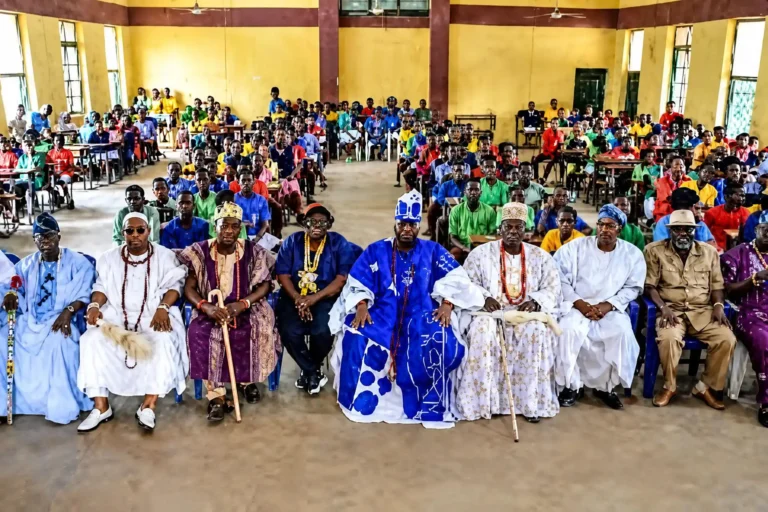

04 — Building a Palace, Uniting a People: How Ijesas Came Together to Rebuild the Owa’s Palace
From a Royal Charge to a Collective Achievement in Vision, Professionalism and Accountability
A community’s heritage is reflected not only in its history and traditions, but also in the institutions and landmarks it preserves for future generations. For Ijesaland, the reconstruction of the Palace of the Owa Obokun Adimula became one such defining undertaking—a project that demanded vision, collective commitment, professional expertise and careful stewardship of community resources.
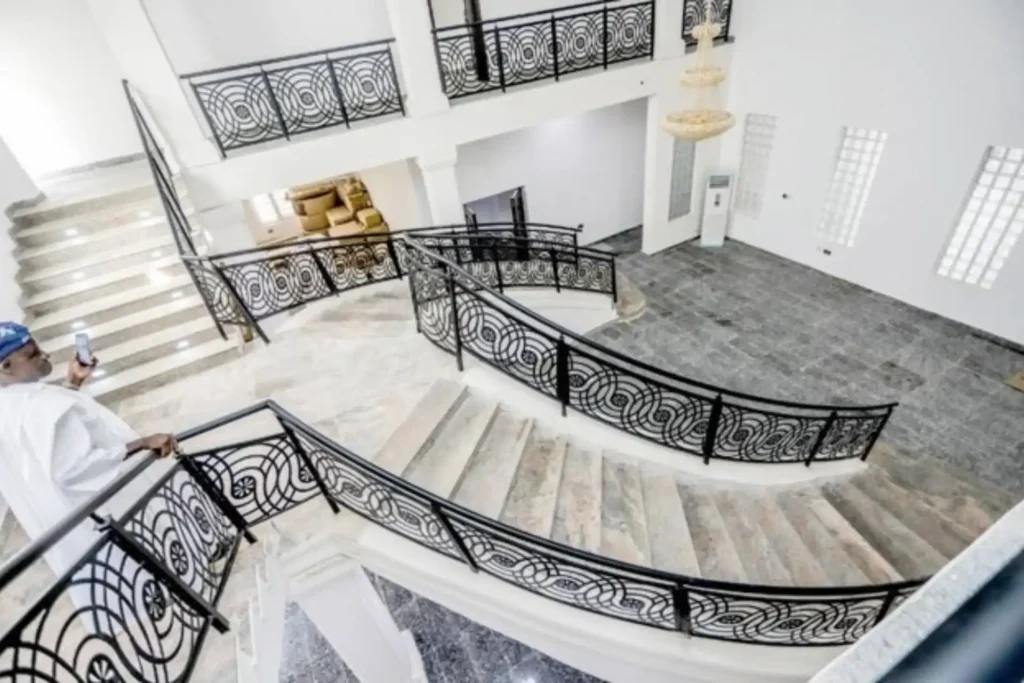
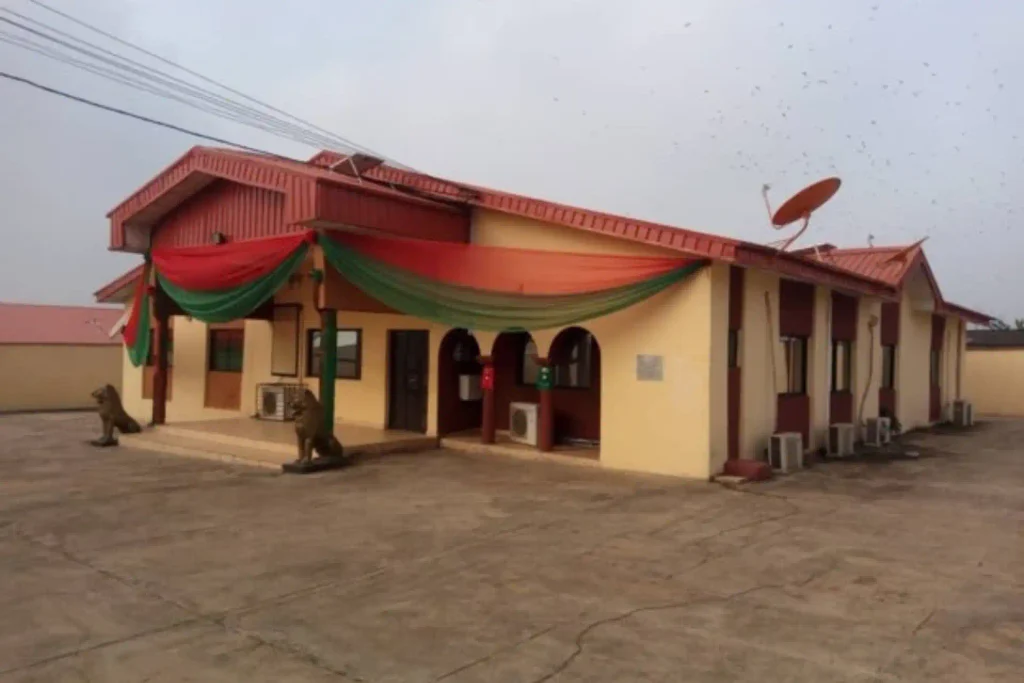
Following the destruction of the former Palace by fire in 2008, efforts to rebuild a befitting residence for the paramount ruler of Ijesaland had encountered repeated difficulties. The eventual completion of a new Palace in 2020 therefore represented more than the delivery of an important traditional institution’s physical home. It marked the culmination of a long-standing community aspiration.
A central figure in the mobilisation that made the project possible was Asiwaju Olayinka Fasuyi, Asiwaju of Ijesaland, who helped transform a royal charge into a shared responsibility embraced by Ijesas at home and in the diaspora.
The experience demonstrated what can happen when a common purpose is matched with broad participation, professional oversight and a commitment to accountability.
The Royal Charge That Set the Journey in Motion
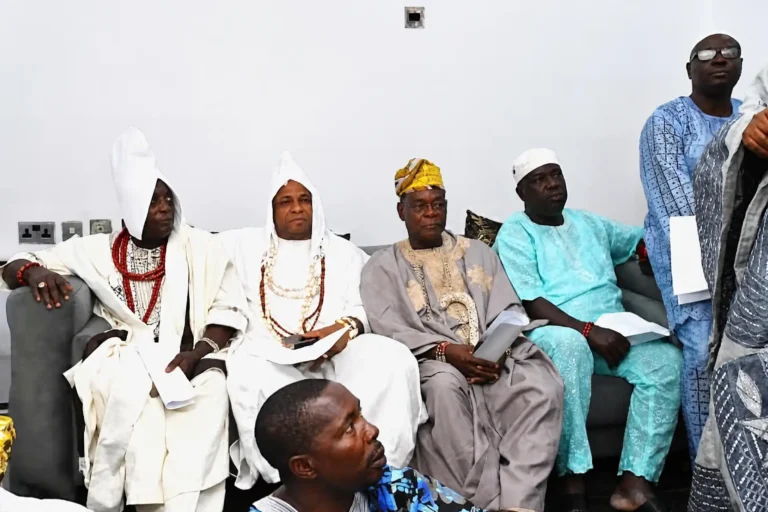
On 22 October 2016, Asiwaju Olayinka Fasuyi and Yeye Asiwaju Dr. Olubisi Fasuyi were installed as Asiwaju and Yeye Asiwaju of Ilesa by the late Owa Obokun Adimula, Oba Dr. Gabriel Adekunle Aromolaran II.
The monarch subsequently challenged Asiwaju Fasuyi to help facilitate the construction of a befitting new Palace following the fire that had destroyed the former structure.
It was a formidable assignment. Three previous attempts to rebuild the Palace had not achieved the desired result, and the scale of the undertaking made it difficult to imagine how another effort could succeed.
Over time, however, experiences involving important royal visits helped bring the urgency of the matter into sharper focus. In February 2017, the visit of the Ooni of Ife, Oba Adeyeye Ogunwusi, highlighted the limitations of the existing Palace facilities. The subsequent visit by a team led by Vice President Professor Yemi Osinbajo ahead of the 2019 national elections further reinforced the need for a befitting royal complex.
These experiences helped turn the Palace challenge from an assignment that seemed too large for one individual into a responsibility that Ijesaland could collectively embrace.
From an Individual Challenge to a Community Mission
On 14 December 2019, after seeking the monarch’s consent, Asiwaju Fasuyi began a fresh effort to mobilise support for the new Palace.
Rather than treating the project as the responsibility of government or a single benefactor, he reached out to eminent Ijesa sons and daughters, making personal appeals to people within Nigeria and across the diaspora.
Telephone calls, WhatsApp messages, virtual meetings and direct conversations became practical tools for communicating the vision and inviting participation.
The approach required persistence. Each prospective supporter needed to understand why the project mattered, how it could be achieved and why collective ownership was essential to its success.
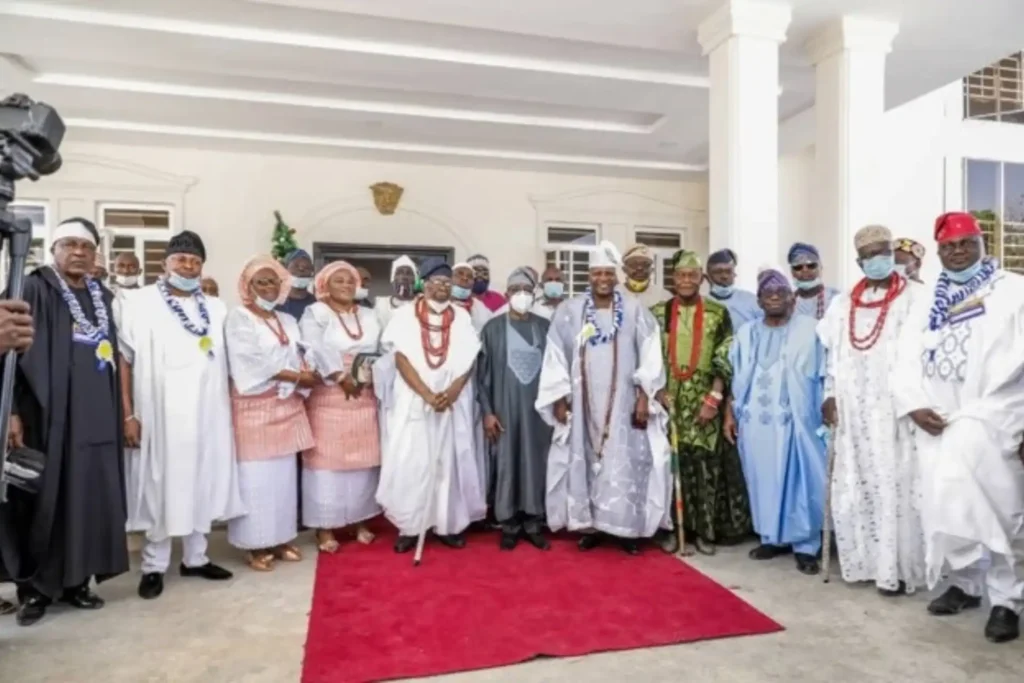
The response led to a maiden meeting at Asiwaju Fasuyi’s residence in Ilesa on 15 December 2019. That meeting marked an important step in establishing the structure through which the project would be managed.
According to the project account, 102 Ijesa men and women ultimately supported the Palace initiative. Their participation reflected the contribution of a wider community whose traditional, professional, social and economic interests converged around a shared heritage.
The mobilisation included traditional rulers, chiefs, professionals, artisans, market women, students and Ijesas living abroad. It demonstrated that a major community project need not depend on a small circle of wealthy individuals when a compelling vision can inspire people to contribute according to their capacity.
Leadership by Example: Mobilising Through Personal Commitment
Successful mobilisation requires more than announcing a worthy cause. It requires people who are willing to communicate the vision, build confidence and demonstrate personal commitment.
Asiwaju Fasuyi took an active role in engaging prospective contributors and encouraging them to see the Palace as a collective asset rather than the private responsibility of one person or organisation.
This approach helped address the uncertainty created by earlier unsuccessful attempts. It shifted attention away from the question of who alone could finance the project and towards what could be achieved through coordinated contributions and shared responsibility.
The lesson extends beyond the construction of a Palace: community leadership is often most effective when it creates the conditions for others to participate meaningfully in a common undertaking.
Planning for Accountability Before Construction
Mobilising contributions was only one part of the challenge. Ensuring that the resources would be properly managed and that the project would meet professional standards was equally important.
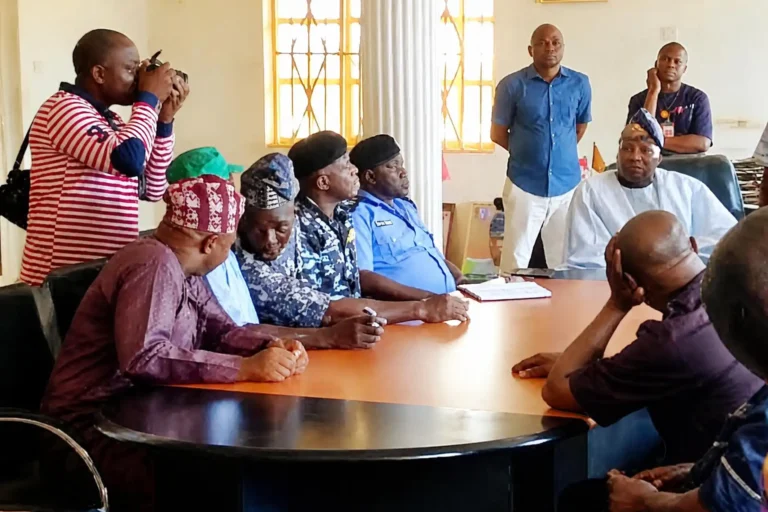
The Palace initiative was therefore supported by a project management structure and a Project Monitoring and Evaluation Committee intended to provide oversight and checks and balances.
The project account identifies several measures designed to strengthen implementation, including professional consultancy, competitive tendering, defined payment procedures, monitoring arrangements and regular stakeholder reporting.
Six professionals covering architecture, structural engineering, civil engineering, electrical engineering, mechanical engineering and quantity surveying reportedly contributed their expertise on a pro bono basis.
Their involvement brought specialist knowledge into the process while helping to reduce professional costs. It also reinforced the importance of planning, technical supervision and independent scrutiny when undertaking a project funded through community contributions.
The guiding principle was straightforward: a project built with resources entrusted by members of a community should be managed with care, competence and clear responsibility.
Integrity, Transparency and Professional Oversight
The Palace project placed emphasis on the responsible use of funds and the need to connect expenditure with demonstrable progress.
Contractor selection and tendering were organised around professional processes, while payment arrangements were linked to certified stages of work. The Project Monitoring and Evaluation Committee provided an additional layer of oversight.
These arrangements were intended to help ensure that funds raised for the Palace were applied to their designated purpose and that progress could be assessed against the project’s requirements.
Such safeguards are important for more than financial administration. They help build trust between project leaders, contributors and the wider community. When people understand how a project is organised and how its resources are overseen, confidence in collective initiatives can grow.
The experience offers a practical illustration of the relationship between integrity, transparency and accountability: good intentions matter, but they are strengthened by systems that guide decisions, monitor implementation and support responsible stewardship.
Nine Months from Construction to Completion
The Palace project moved from mobilisation and planning to a completed structure in a reported period of nine months, despite taking place during the COVID-19 period.
The new Palace was commissioned on 26 December 2020, bringing to a successful conclusion an effort to rebuild the royal complex that had remained unresolved since the 2008 fire.
The result was significant because it followed three earlier unsuccessful attempts. The fourth effort had turned a long-standing aspiration into a completed landmark through community mobilisation, professional involvement and structured project management.
The achievement belonged to the many Ijesas who contributed financially, technically and through other forms of support. It also reflected the work of the project management and monitoring teams, the traditional institution that provided the mandate, and the wider community whose support sustained the undertaking.

The Reported ₦36 Million Surplus: Extending the Value of Collective Giving
One of the notable outcomes recorded in the project account was a reported surplus of ₦36 million following completion of the Palace.
According to the same account, this balance later served as seed funding for the Ijesa Health Is Wealth Project, which eventually gave rise to the Ijesaland Geriatric Centre.
If considered alongside the completed Palace itself, this outcome illustrates how the value of a well-managed community initiative can extend beyond its immediate purpose. The Palace project was not only associated with a lasting physical landmark; its reported financial outcome also helped provide a starting point for another intervention addressing community needs.
This connection underscores the importance of responsible project closure, financial reconciliation and thoughtful reinvestment. Where resources remain after a project has been completed, transparent decisions about their subsequent use can help sustain the wider benefits of collective giving.
Five Principles Reflected in One Community Project
The Owa’s Palace initiative offers a practical example of five principles associated with Asiwaju Olayinka Fasuyi’s approach to community development.
Leadership by example: Personal engagement and commitment helped bring contributors together around a shared objective.
Vision: A royal assignment was reframed as a collective Ijesa undertaking with a defined purpose.
Integrity: The project was approached as a shared heritage responsibility, requiring professional standards and disciplined execution.
Transparency: Stakeholder engagement, structured processes and professional oversight supported confidence in how the project was managed.
Accountability: Monitoring arrangements and payments linked to certified stages of work were intended to connect the use of funds with actual project progress.
These principles are most meaningful when translated into practice. The Palace project demonstrates how community mobilisation can be strengthened when a compelling vision is accompanied by appropriate structures for implementation and oversight.
A Palace Built Through Collective Effort
The reconstruction of the Owa’s Palace began with a difficult history: a royal complex destroyed by fire in 2008 and three earlier attempts that had not delivered the desired result.
The eventual success came through a renewed effort that brought together the royal institution, Asiwaju Olayinka Fasuyi, 102 Ijesa contributors, professionals and other stakeholders around a shared purpose. The Palace was completed in nine months and commissioned in December 2020, while the project account records a surplus that later supported another community development initiative.
The story is therefore about more than a building. It is about how a community can rally around its heritage, how professional management can support public confidence, and how accountability can help protect the resources entrusted to a common cause.
For Ijesaland, the new Owa’s Palace stands as a reminder that enduring community achievements are rarely the work of one person alone. They emerge when leadership brings people together, expertise is put to work, resources are managed responsibly and a shared aspiration becomes a collective accomplishment.
The Palace remains an important milestone in the development story of Ijesaland—and a case study in the possibilities of organised community action.