
21 — A Decade of Service, 25 Milestones: The Development Journey of Asiwaju Olayinka Fasuyi
Ten years of community leadership can be understood in many ways: through the institutions strengthened, the opportunities created, the challenges confronted, the resources mobilised and the relationships built along the way.
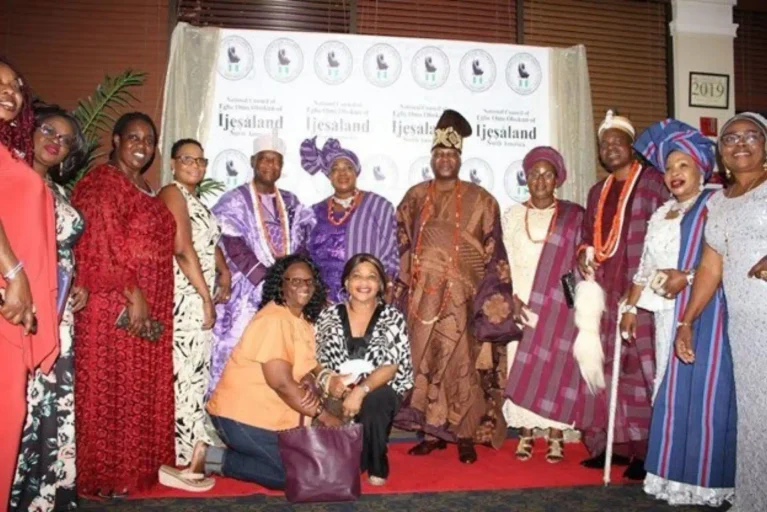
For Asiwaju Olayinka Fasuyi, the First Asiwaju of Ijesaland, the decade following his installation alongside Yeye Asiwaju Dr. Olubisi Olufunke Fasuyi has been associated with a series of initiatives spanning education, healthcare, youth empowerment, economic development, traditional institutions, community resilience and accountability.
The 25 milestones documented in this anniversary series bring these interventions into focus. Across 20 articles, the stories have explored not only the projects themselves but also the problems that inspired them, the ideas behind their conception, the people who contributed to their advancement and the resources required to pursue them.
Taken together, they present a development narrative built around a central proposition: lasting community progress requires people who are willing to identify problems, conceive practical responses, mobilise others and sustain the effort needed to turn ideas into action.
Beyond Titles: A Decade of Development Initiatives
When Asiwaju Olayinka Fasuyi and Yeye Asiwaju Dr. Olubisi Fasuyi were installed as the first Asiwaju and Yeye Asiwaju of Ijesaland in 2016, the traditional titles carried responsibilities that extended beyond ceremonial representation.
The subsequent decade became associated with initiatives addressing different aspects of community life across Ijesaland’s six local government areas.
Some interventions responded to urgent problems, such as the 2019 electricity crisis that disrupted businesses, healthcare services, schools and household activities. Others addressed longer-term needs, including educational access, healthcare for older people, technical skills, agricultural training, enterprise development and community financing.
The initiatives also extended to institutional development. Efforts to strengthen cooperation among traditional rulers, establish mechanisms for community development funding and encourage monitoring of local government performance reflected an interest in structures that could support development beyond individual projects.
These interventions differed in scale, purpose and implementation requirements. Their common feature was the effort to move from identifying a need to pursuing an organised response.
The Four Phases of Development
A central lesson from the 25 milestones is that development is a process rather than a single event. The stewardship account identifies four interconnected phases that help explain how community initiatives progress from an idea to practical outcomes.
1. Project idea, initiative and conceptualisation
Every project begins with recognising a problem or unmet need. This first phase involves understanding the challenge, considering possible solutions and developing an idea that is relevant and feasible.
For example, identifying barriers to technical education is only the starting point. Conceiving a scholarship arrangement, engaging an educational institution and developing a way to support qualified students represent the beginning of a practical response.
Likewise, recognising the healthcare needs of an ageing population is different from developing a proposal for a specialised geriatric healthcare facility.
The importance of this phase lies in the initiative required to move from general concern to a defined course of action.
2. Resource mobilisation
Ideas require resources before they can become reality. These may include funding, materials, professional expertise, institutional cooperation and the time and commitment of people willing to contribute.
The milestones document efforts to mobilise support from traditional rulers, professionals, Ijesa sons and daughters, diaspora communities, educational institutions, public authorities and other stakeholders.
Resource mobilisation is not simply a fundraising exercise. It also involves building confidence, communicating the purpose of an initiative and bringing together the different contributions needed to advance it.
3. Project planning
Once an initiative has gained support, planning provides the structure for implementation.
This phase includes defining objectives, assigning responsibilities, setting priorities and timelines, establishing procedures and determining how resources will be managed.
The project-management arrangements associated with the construction of the Owa’s Palace and the Ijesaland Geriatric Centre illustrate the importance of professional advice, coordination and monitoring in complex community projects.
Planning helps convert collective goodwill into an organised process with defined responsibilities.
4. Project implementation
Implementation is the stage at which the idea, resources and plan are translated into practical activity.
Depending on the initiative, this may involve constructing a facility, delivering training, supporting students, providing relief to affected communities or establishing a development institution.
Implementation is an essential measure of progress, but it is not necessarily the end of a project’s responsibilities. Completed facilities must be maintained, programmes need effective administration and institutions must continue serving their intended beneficiaries.
These four phases provide a useful framework for understanding the milestones and the work required to sustain their benefits.
From Community Challenges to Practical Interventions
The breadth of the 25 milestones reflects the diversity of development needs within Ijesaland.
Education and youth development
Several initiatives sought to expand educational opportunities and strengthen young people’s capabilities.
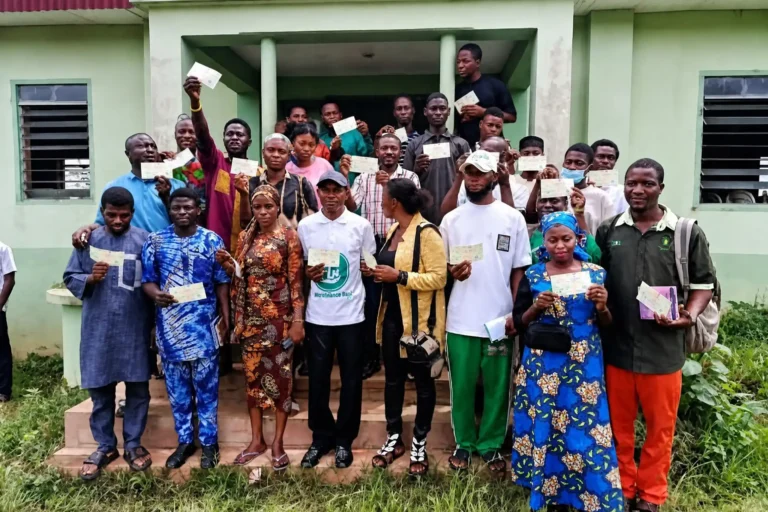
The AYFF scholarship and bursary interventions supported students with examination fees and other educational assistance. The Federal Technical College, Ilesa, scholarship initiative sought to improve access to technical education for Ijesa students, while the Leventis partnership created opportunities for agricultural training and agribusiness development.
The ICDA–RLG Youth ICT Empowerment Programme focused on practical technical skills, and the Ibadan Business School Youth Entrepreneurial Development Programme connected young people with structured enterprise education.
These initiatives address different needs, but share an emphasis on human-capital development: helping young people acquire knowledge and practical capabilities that can support their future livelihoods.
Their longer-term significance will depend on completion, application of skills and the opportunities available to beneficiaries after training.
Healthcare and the welfare of older people
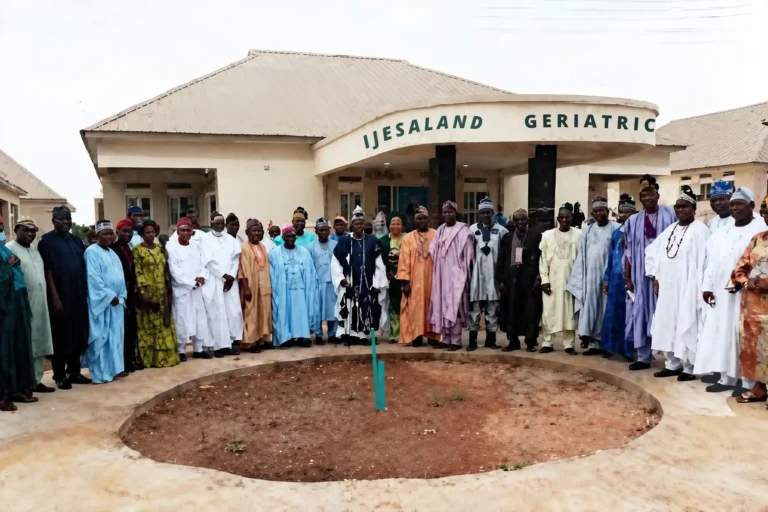
The Ijesaland Geriatric Centre stands among the major healthcare initiatives documented in the series.
The project responded to the need for organised healthcare services for older people and drew on contributions from community members, professionals, institutions and other supporters. The stewardship account also records the use of surplus funds from the Owa’s Palace project as seed funding for the centre.
Related efforts to support elderly residents through health insurance sought to widen access to healthcare services.
These interventions highlight the relationship between infrastructure and access. A healthcare facility can provide an important foundation, while insurance and other support arrangements may help eligible people use services in accordance with the relevant programme terms.
Sustaining the benefits requires continued attention to clinical services, staffing, equipment, funding and the effective operation of the institutions involved.
Economic empowerment and enterprise development
The Ijesaland Cooperative Society and Ijesaland Development Fund represent different approaches to supporting grassroots development.
The cooperative initiative was designed to improve access to revolving finance for indigenous entrepreneurs, traders, artisans and other productive ventures across Ijesaland’s 64 wards. The Development Fund was conceived as a broader community-financing mechanism for local development priorities.
Other initiatives, including agripreneurship training and IBS-YEDP sponsorship, focused on strengthening business knowledge, practical skills and the capacity to develop sustainable livelihoods.
Together, these efforts reflect the importance of connecting access to finance with knowledge, responsible management and productive economic activity.
The impact of such initiatives should be assessed through transparent reporting, responsible repayment where applicable, enterprise performance and the extent to which the intended beneficiaries are reached.
Infrastructure, security and community resilience
The milestones also document responses to challenges that affected the wider community.
The mobilisation surrounding the 2019 electricity crisis involved engagement with relevant stakeholders to pursue restoration of supply. The construction of the new Owa’s Palace demonstrated the potential of coordinated community contributions and professional project management.
Security-related engagements sought to bring traditional rulers, community leaders and security stakeholders together around collective responsibility. Emergency relief and the mobilisation of support after the Ilare-Ijesa rainstorm illustrated the role of community networks in responding to hardship.
Each intervention had its own context, partners and implementation requirements. Collectively, they show the range of issues that can require collaboration between community leadership, public institutions, professionals and residents.
Institutions, accountability and cultural development
Other milestones focused on the structures through which Ijesaland can organise its development priorities.
The Ijesaland Independent Development Monitors initiative was conceived to encourage monitoring, evaluation and accountability in local governance. The Ijesaland Mineral Resources Development Forum sought to promote responsible mining, environmental protection and community participation in discussions about mineral resources.
The Iwude Ijesa Unity Carnival introduced an additional platform for linking cultural celebration with practical community service, encouraging participating societies to support projects within their communities.
These initiatives reflect different dimensions of institutional development: creating mechanisms for cooperation, improving oversight, broadening participation and encouraging communities to take an active interest in their future.
Where initiatives remain proposals or developing frameworks, their progress must be judged by the extent to which they are implemented, sustained and shown to produce results.
Recognising Initiative While Acknowledging Collective Effort
One important issue raised by the anniversary series is how the contributions behind a community project should be documented.
Development achievements rarely result from the work of one person alone. A successful project may depend on the person who originated the idea, the individuals who mobilised resources, professionals who provided technical advice, committees that coordinated activities, institutions that supplied support and teams responsible for implementation.
Each role matters, but the roles are not identical.
The person who identifies a problem and initiates a response has made a distinct contribution. The sponsors who provide funding, the professionals who apply their expertise and the people who implement and maintain the project also deserve recognition for their work.
A balanced account of development should preserve these distinctions without diminishing any contributor’s role.
Within this stewardship narrative, Asiwaju Fasuyi is credited with originating and initiating the projects and programmes attributed to him. That recognition should be understood alongside the contributions of the people and institutions that helped turn the ideas into practical interventions.
Traditional rulers, public authorities, professionals, community organisations, Ijesa sons and daughters at home and abroad, and other development partners all form part of the wider story.
This approach makes the documentation more useful: it records not only the person associated with an initiative but also the partnerships and processes required to advance it.
Leadership by Example and Personal Commitment
Resource mobilisation is a recurring theme throughout the milestones. Community initiatives need financial and material support, and their progress often depends on whether people are willing to commit resources to a shared objective.
The stewardship account highlights the personal contributions of Asiwaju Fasuyi and his wife, Yeye Asiwaju Dr. Olubisi Olufunke Fasuyi, to development initiatives.
One specific example cited in the account is their combined contribution of ₦108 million towards the construction of the Ijesaland Geriatric Centre.
Such contributions form part of the documented resource-mobilisation story, alongside the financial support, professional services and other assistance provided by community members and development partners.
Personal commitment can encourage confidence and participation, but sustained community development also requires transparent administration, responsible use of resources, sound planning and reliable reporting.
The larger lesson is that leadership and collective responsibility are complementary. An initiative may begin with an individual or institution, but its successful advancement can depend on many people contributing in different ways.
The Role of Yeye Asiwaju Dr. Olubisi Fasuyi
The decade-long story also includes the contributions and support of Yeye Asiwaju of Ijesaland, Dr. Olubisi Olufunke Fasuyi.
The stewardship account describes her as a partner and source of support throughout the decade, including through financial contributions to development projects alongside Asiwaju Fasuyi.
Her role is part of the broader account of shared commitment associated with their service to Ijesaland.
Recognising her contribution helps provide a fuller picture of the people involved in the decade’s initiatives and acknowledges that community leadership is often sustained through partnership, support and shared responsibility.
Five Principles for Responsible Community Development
Across the milestones, five principles emerge as important to the stewardship approach described in the source account.
Leadership by example means demonstrating personal commitment to the causes being advanced and encouraging others through practical action.
Vision involves identifying problems, considering feasible responses and developing initiatives directed towards genuine community needs.
Integrity requires responsible conduct and the consistent application of ethical standards.
Transparency means communicating clearly about decisions, contributions, project progress and the management of resources.
Accountability involves accepting responsibility for decisions, reporting on activities and evaluating whether an initiative is achieving its intended objectives.
These principles are relevant throughout the development process. Vision helps shape an idea; leadership by example can encourage participation; integrity and transparency support trust; and accountability helps stakeholders assess how resources and responsibilities have been managed.
Their significance ultimately depends on consistent application and evidence of practice.
The Next Decade: Sustaining the Benefits
The conclusion of a ten-year anniversary series is an opportunity to reflect on what has been undertaken, but it also raises questions about what comes next.
The long-term value of a scholarship programme depends on whether students complete their education and apply what they have learnt. Technical training is most useful when it connects with productive livelihoods. A cooperative must continue to serve its members responsibly, while a development fund must maintain credible procedures for allocating and reporting on resources.
Healthcare facilities require continuing investment in staffing, equipment, maintenance and services. Community institutions need effective governance, and monitoring frameworks must demonstrate that their work contributes to greater transparency and accountability.
The same principle applies to cultural and community initiatives. Their success should be measured not only by participation in an event but also by the quality and sustainability of the contributions they inspire.
These responsibilities extend beyond the person who first conceived an initiative. They belong to the institutions, partners and communities that sustain it.
For Ijesaland, the task ahead is to preserve what works, address what needs improvement, maintain transparent systems and ensure that community resources continue to serve clearly identified needs.
Twenty Articles, Twenty-Five Milestones, One Development Narrative
The 25 milestones documented across 20 articles cover a broad range of community concerns: traditional institutions, education, electricity, agriculture, entrepreneurship, youth development, cooperative finance, ICT skills, diaspora engagement, healthcare, emergency relief, security, responsible mining, cultural development and accountability.
Their diversity reflects the different challenges that communities face and the variety of responses required to address them.
The connecting theme is the movement from recognising a need to pursuing a solution through initiative, resource mobilisation, planning and implementation.
The anniversary series has sought to document that process and identify the people and institutions involved. It also provides a basis for continued discussion about what has been achieved, what remains incomplete and how the benefits of the interventions can be sustained.
A decade of service should not be assessed solely by the number of projects announced, ceremonies held or funds mobilised. A fuller assessment considers the problems addressed, the opportunities created, the institutions strengthened, the people served and the durability of the results.
That assessment requires evidence, continued engagement and an honest appreciation of both achievements and unfinished work.
A Shared Future for Ijesaland
Asiwaju Olayinka Fasuyi’s first decade as the First Asiwaju of Ijesaland has been associated with a series of initiatives intended to address development needs across the community. The 25 milestones provide a record of those efforts and of the partnerships that supported them.
The next chapter belongs to the people and institutions of Ijesaland: to maintain facilities, strengthen programmes, support young people, improve access to services, manage resources responsibly and continue building effective partnerships at home and abroad.
The enduring lesson is that community development begins with recognising a problem and taking the initiative to develop a practical response. It then requires resources, planning, collective effort and implementation—and, beyond that, the responsibility to sustain what has been created.
Ten years of milestones therefore represent not an end point, but an opportunity to consolidate progress and prepare for the work ahead.
Ultimately, Ijesaland’s development is a collective responsibility. Every contributor has a role to play, every institution has a responsibility to fulfil, and every initiative must be judged by the value it continues to deliver to the community.
The next decade will be shaped by how effectively the people of Ijesaland preserve their shared heritage, strengthen their institutions and turn collective commitment into lasting benefits for present and future generations.