17 — Beyond Borders: How Asiwaju Olayinka Fasuyi Initiated & Mobilised the Ijesa Diaspora for Homeland Development
The development of a community is shaped not only by the resources available within its geographical boundaries but also by the commitment, expertise and networks of its people wherever they may reside. For Ijesaland, the global Ijesa community represents an important source of knowledge, professional experience, international connections and practical support for the advancement of the homeland.
Recognising this potential, Asiwaju Olayinka Fasuyi, the First Asiwaju of Ijesaland, pursued a deliberate approach to strengthening relationships between Ijesas living abroad and their ancestral homeland. His vision was to encourage diaspora participation beyond individual family remittances and towards a more structured contribution to community development.
As the seventeenth milestone in his decade-long stewardship, this initiative highlights the role of international networking, collective responsibility and collaboration in supporting development projects across Ijesaland.
Taking the Message of Development to the Diaspora
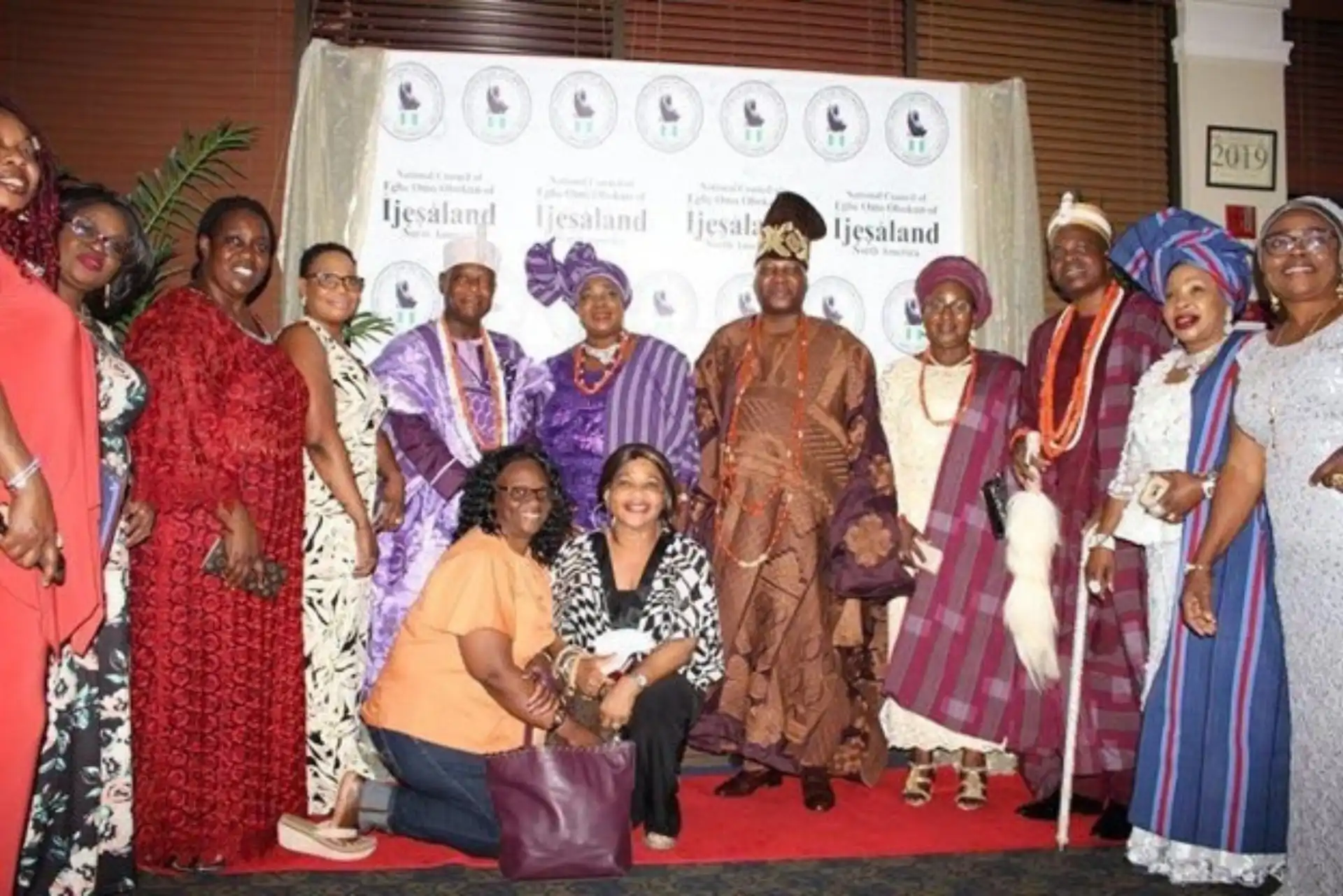
A significant expression of this approach emerged in 2019, when Asiwaju Fasuyi participated in diaspora-related engagements, including the National Congress of Egbe Omo Obokun in North America, held in Atlanta, Georgia, United States.
The gathering brought together members of the Ijesa community from North America and Canada, providing an opportunity to discuss the importance of unity, peace and organised participation in the development of Ijesaland.
Through such engagements, Fasuyi encouraged Ijesas abroad to see themselves not simply as people maintaining connections with their place of origin, but as stakeholders with a meaningful role to play in shaping its future.
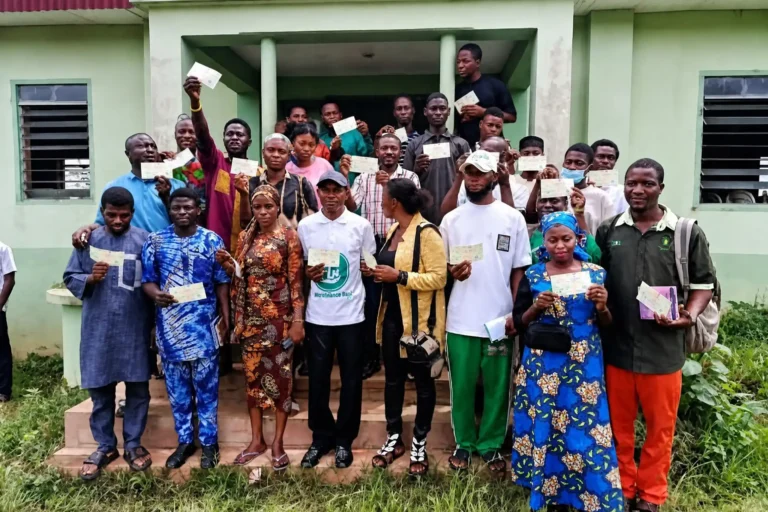
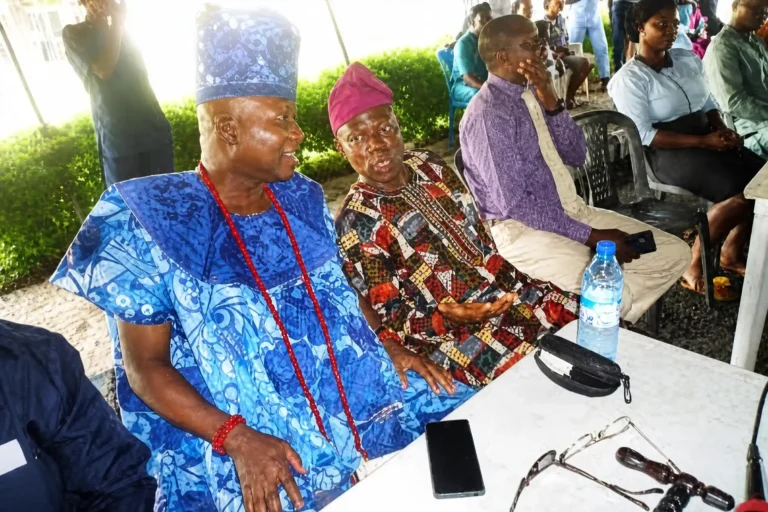
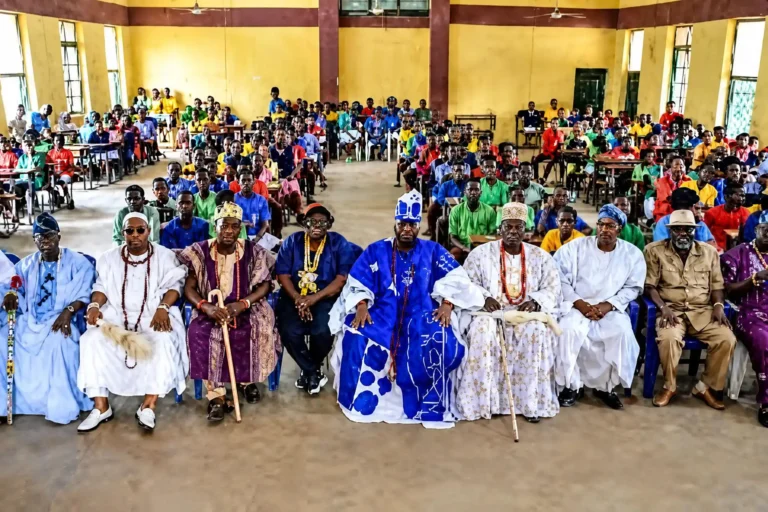
The initiative complemented community-building efforts within Ijesaland, including engagements involving traditional rulers and communities in Ifewara and Ijebu-Jesa in 2019. Together, these efforts reflected a wider objective: strengthening unity at home while expanding the circle of people who could contribute to the homeland’s development.
Building a Global Network for Community Progress
The diaspora engagement strategy was founded on a broader understanding of the resources available among Ijesas living outside Nigeria.
Financial contributions remain valuable, but the potential contribution of diaspora communities extends much further. Their professional expertise, technical knowledge, business relationships, international exposure and access to wider networks can also create opportunities for development at home.
Fasuyi’s approach sought to encourage these different forms of participation. Depending on individual capacity and circumstances, diaspora members could contribute through funding, professional advice, technical assistance, sourcing equipment, facilitating partnerships or connecting local initiatives with useful international opportunities.
The underlying principle was shared responsibility: the development of Ijesaland should be a collective undertaking involving its people at home and abroad.
Turning International Connections into Practical Support
The value of diaspora engagement became visible in support associated with major community projects, particularly the construction of the Ultra-Modern Palace of the Owa Obokun Adimula and the establishment of the Ijesaland Geriatric Centre.
According to the published stewardship account, Ijesa compatriots in the diaspora helped coordinate the shipment of three large containers of medical consumables and equipment for the Geriatric Centre. The report states that the supplies supported the centre’s equipment needs, while surplus materials were distributed across Ijesaland’s six local government areas.
This contribution illustrates how international relationships can help address practical community needs. The value of such support lies not only in the items delivered but also in the coordination, sourcing and relationships required to connect available resources with institutions that need them.
The intervention also demonstrates why diaspora participation should not be measured exclusively by the amount of money raised. Technical expertise, equipment, professional connections and access to international supply networks can be equally important to the success of community projects.
These contributions involved the participation of Ijesas abroad and other stakeholders working towards shared development objectives. They are therefore best understood as examples of collective effort rather than the work of any one individual alone.
Connecting Diaspora Engagement with Long-Term Development
For diaspora relationships to produce lasting value, engagement must extend beyond isolated fundraising appeals or individual projects.
Fasuyi’s approach sought to encourage a continuing relationship between Ijesaland and its people overseas, one that could support community priorities over time. This vision recognises that Ijesas abroad may be able to facilitate professional partnerships, identify technical resources, open doors to business opportunities and help mobilise support for projects requiring specialised expertise.
This broader philosophy is also reflected in the Ijesaland Development Fund (IDF), conceived as a community-driven mechanism for financing development across the six local government areas and 64 wards of Ijesaland.
While diaspora participation is only one part of the wider development framework, it offers an important opportunity to broaden community ownership and connect people across geographical boundaries to shared priorities.
The long-term task is to strengthen the structures through which goodwill and international connections can be translated into transparent, coordinated and measurable development outcomes.
Integrity, Transparency and Accountability
Mobilising support from people living thousands of kilometres away requires trust. Contributors need confidence that their resources will be applied to the purposes for which they were provided and that the organisations managing projects will communicate responsibly about their activities.
Three principles are particularly important to sustainable diaspora engagement: transparency, accountability and responsible stewardship.
Transparency requires clear communication about project objectives, funding needs and decisions. Accountability requires responsible management of resources and the ability to explain what contributions have achieved. Integrity requires those leading initiatives to remain committed to the collective interests they represent.
The published ICDA stewardship account describes approval and reporting arrangements for project funds, including general-house approval for expenditure and the publication of audit reports for projects under its leadership. These are reported governance practices that should be supported by accessible documentation and consistent implementation.
For diaspora contributors, such arrangements can help maintain confidence and encourage continued participation. Strong relationships are more likely to endure when contributors can understand the purpose of an initiative and assess how resources are being managed.
Strengthening the Bonds Between Ijesaland and Its People Abroad
The relationships cultivated through diaspora engagement were also reflected in October 2025, when members of the Ijesa diaspora travelled from Europe and the United States to attend a pre-birthday celebration marking Fasuyi’s seventieth birthday in Ilesa.
Beyond the occasion itself, the gathering illustrated the continuing personal and community connections between Fasuyi and Ijesas living abroad. Such relationships can help sustain a sense of belonging and reinforce the understanding that geographical distance need not diminish responsibility towards one’s homeland.
Personal relationships alone, however, are not the ultimate measure of a development network. Their wider value depends on whether they can continue to encourage collaboration, support identified needs and create opportunities that benefit communities.
A Shared Responsibility Beyond Geographical Boundaries
The mobilisation of the Ijesa diaspora reflects a wider understanding of community development: the people who can contribute to a homeland are not limited to those who live within it.
Across Europe, North America and other parts of the world, Ijesas possess resources, experience, professional capabilities and networks that can complement local efforts. Building effective connections between these resources and community priorities requires sustained engagement, credible institutions and a shared commitment to measurable progress.
Through international networking and engagement with diaspora associations, Asiwaju Olayinka Fasuyi sought to encourage a more organised role for Ijesas abroad in the development of their ancestral homeland. The reported medical-equipment contribution to the Ijesaland Geriatric Centre and the wider engagement surrounding major community projects provide examples of how these connections can be applied in practice.
The enduring opportunity is to deepen this cooperation so that diaspora participation becomes an increasingly coordinated part of Ijesaland’s development journey.
Ultimately, building Ijesaland is a shared responsibility. Whether at home or abroad, every Ijesa individual, association, professional and institution has the potential to contribute to a common future through service, expertise, responsible giving and constructive collaboration.